
Why Is My Cat Sneezing? Causes, Home Care and Red Flags
 The Pets Passion Medical Team
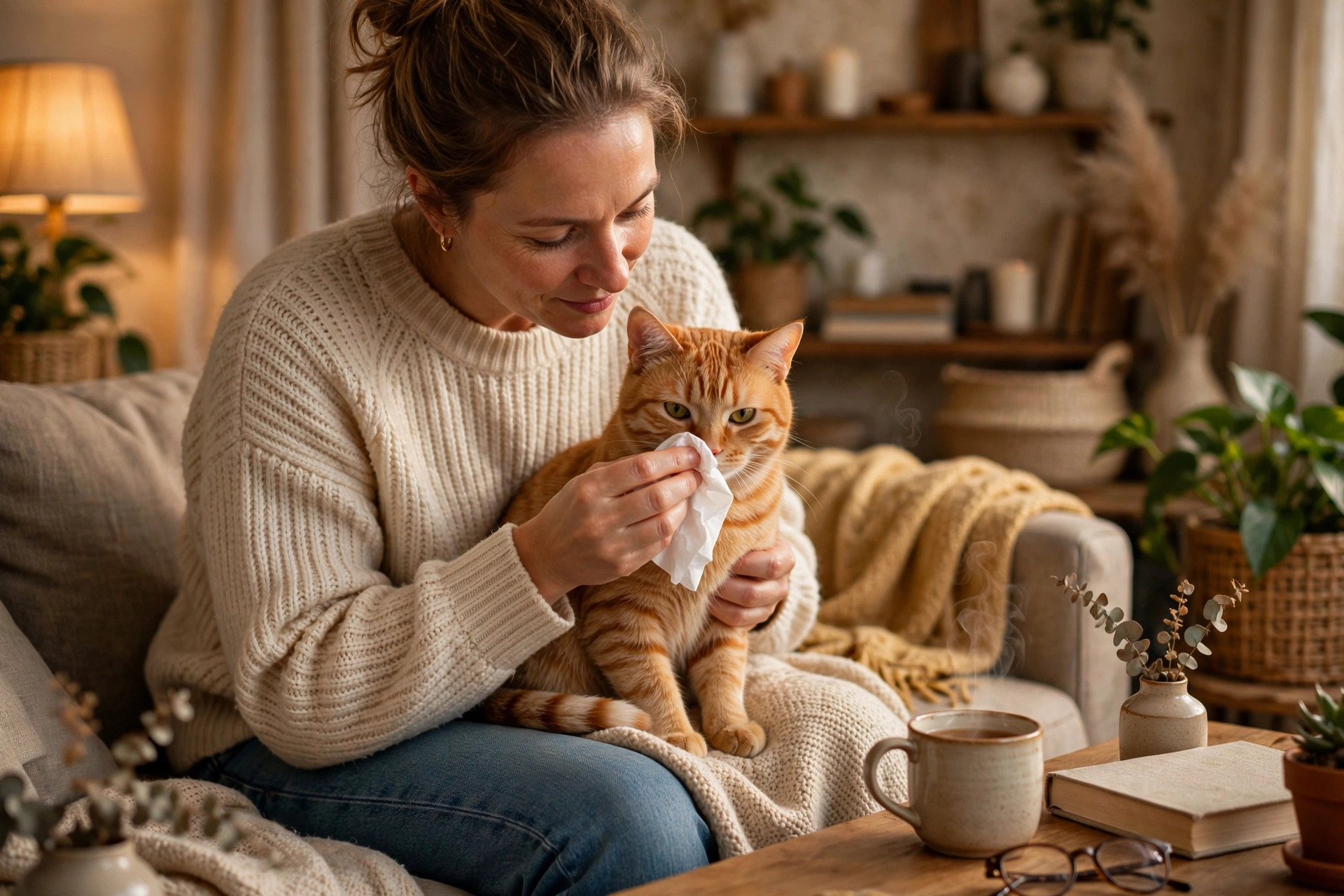
A single sneeze can be a dusty-litter moment. Repeated sneezing, eye or nose discharge, appetite loss, or a cat that seems unwell points to a problem worth discussing with a veterinarian. Cats hide breathing trouble, so look beyond the sneeze: count effort, watch the gums, and never delay if the mouth is open to breathe or the chest is heaving.
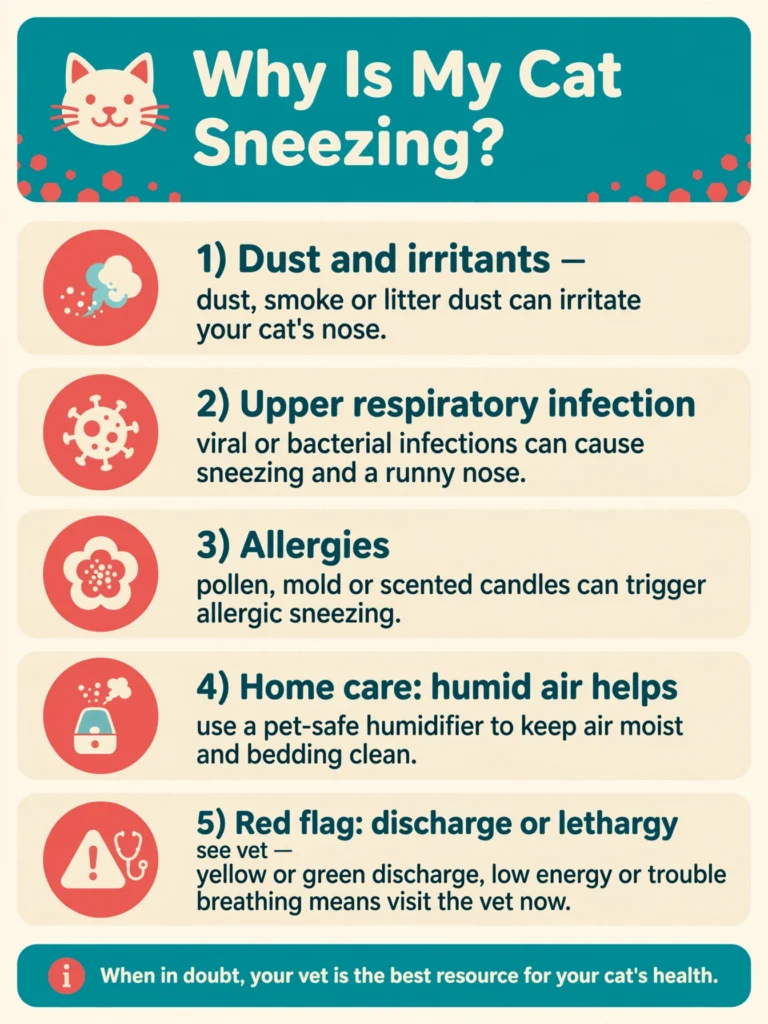
Common reasons cats sneeze
Upper-respiratory infections are common and may cause sneezing, congestion, eye discharge, mouth ulcers, lethargy, or reduced appetite. Irritants such as dusty litter, smoke, fragrances, cleaning sprays, and aerosol products can also trigger a short episode. Dental disease, nasal inflammation, foreign material, fungal disease, polyps, and less common growths can cause persistent or one-sided signs. A diagnosis needs the cat’s history and an exam.
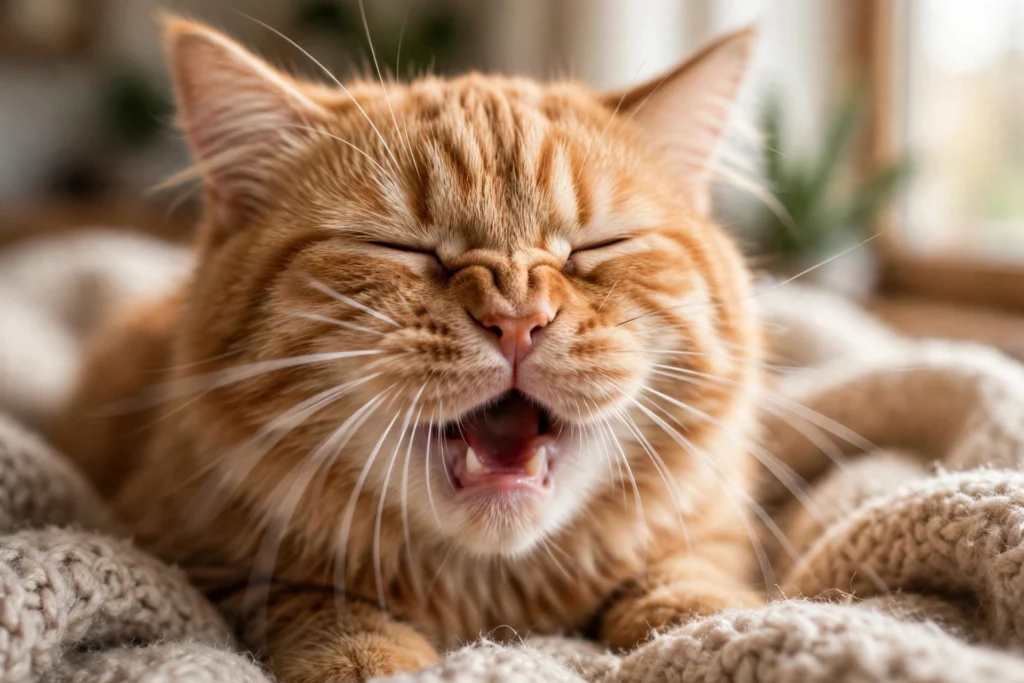
When is sneezing an emergency?
Seek emergency care for open-mouth breathing, blue or gray gums, collapse, severe effort, choking, or rapidly worsening breathing. A cat who is breathing hard should not be stressed with repeated handling or forced food. For less dramatic but persistent signs, call your veterinarian the same day if the cat will not eat or drink, is dehydrated, has thick or bloody discharge, seems painful, or is a kitten, senior, or immunocompromised cat.
What can I do at home for a mild sneeze?
Remove smoke, perfumes, diffusers, dusty litter, and strong cleaners from the room. Offer a quiet, warm resting place and fresh water. Gently wipe discharge with a damp cloth if your cat accepts it, using a clean section each time. Do not use human decongestants, essential oils, leftover antibiotics, or medicated drops. Separate a sick cat from household cats until your vet advises otherwise because respiratory pathogens can spread.
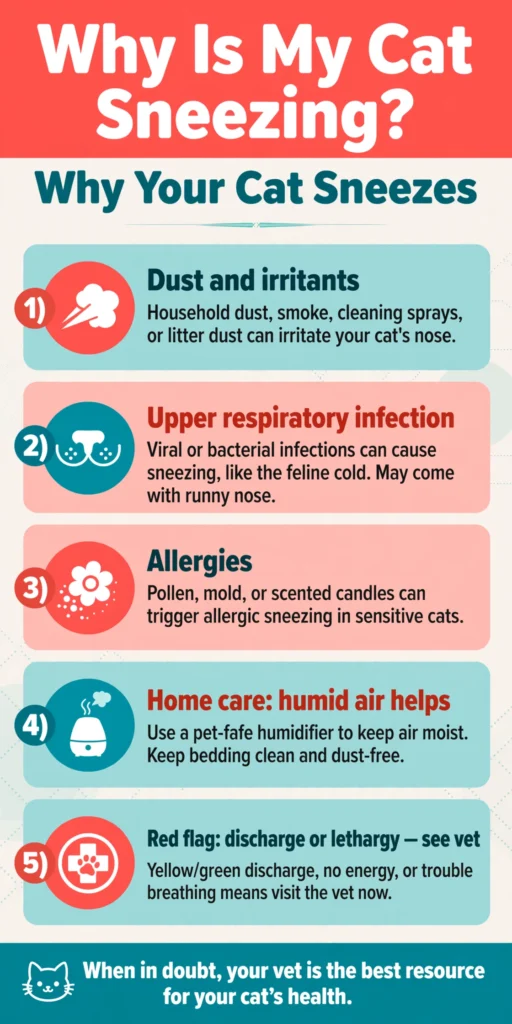
How do infections affect appetite?
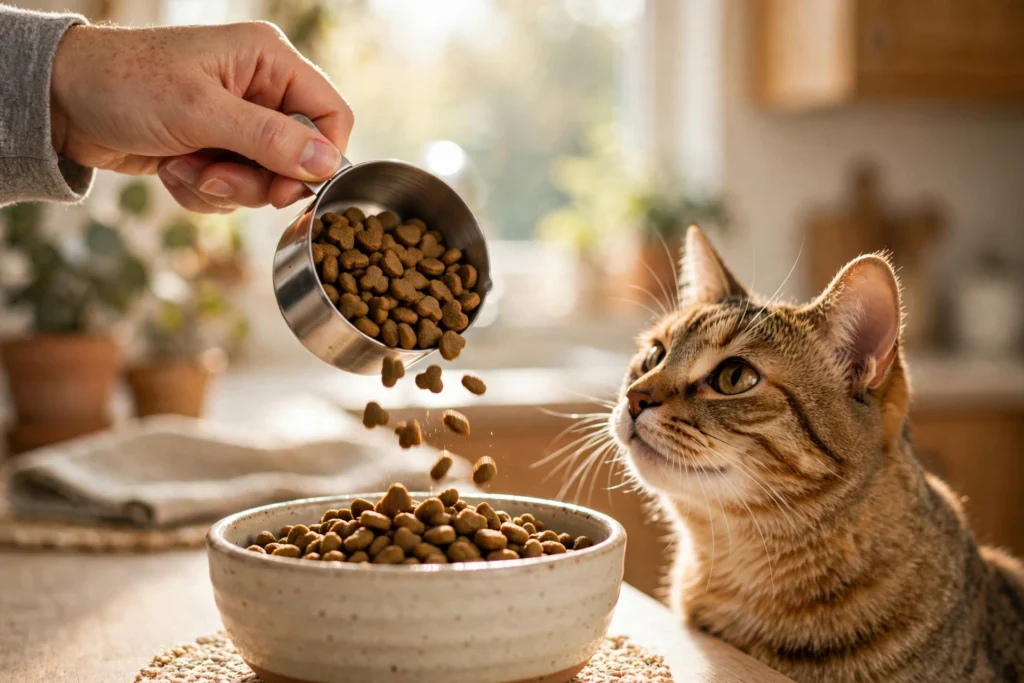
Congestion reduces a cat’s ability to smell food, while mouth ulcers or fever can make eating painful. Offer the familiar food your cat normally tolerates and ask the clinic for a plan if intake falls. Avoid force-feeding. A cat that refuses food, becomes lethargic, or develops vomiting or diarrhea needs a prompt evaluation. The pet symptom checker can help you log discharge, appetite, and breathing changes.
Does feline herpes change what I should feed?
Feline herpesvirus is one possible cause of upper-respiratory signs, but food cannot cure an infection. Palatable, moisture-rich food may support intake when congestion makes eating difficult — we have a separate roundup of supportive food choices for congested cats. Ask your veterinarian before giving supplements or using antibiotics; treatment depends on the exam and the individual cat.
What will the vet look for?
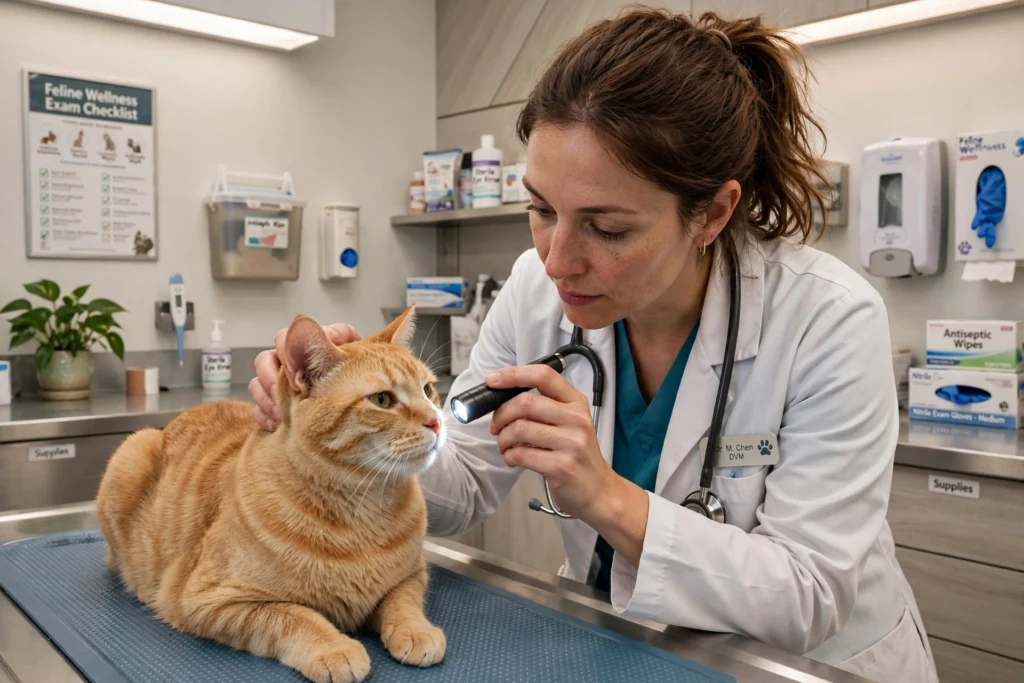
Your veterinarian may examine the mouth, teeth, eyes, nose, lungs, temperature, hydration, and exposure history. Persistent or unusual signs can lead to testing, imaging, or sampling. Treatment might be supportive care, prescription medication, dental treatment, or a plan for a chronic nasal condition. The important point is that a sneeze is a sign, not a reason to guess at medication.
Learn to tell coughing versus sneezing apart — the treatment differs. For feline herpesvirus and nutrition, see our feeding guide; note that cats who can’t smell often stop eating. If you see sneezing with lethargy or not eating, seek care promptly.
How long should a sneezing episode last before I call the vet?
A single sneezing fit that passes within minutes is usually nothing: dust, a strong smell, a tickle. What matters is the pattern over the next day or two. If you removed the likely irritant (switched the dusty litter, aired out the room) and the sneezing fades within 24 to 48 hours, you probably found the cause.
A mild upper respiratory infection follows a different rhythm: sneezing and sniffles build over a few days, peak, then gradually improve over one to two weeks. As long as your cat keeps eating, stays bright, and the discharge stays clear and thin, watchful waiting at home is reasonable — but keep watching.
| What you’re seeing | What to do |
|---|---|
| Sneezing stops within hours | No action needed |
| Mild sneezing, still eating and playful, after 2–3 days | Call your vet for advice |
| Getting worse instead of better at any point | Call your vet |
| Appetite drops, lethargy, or thick yellow-green discharge | Call your vet promptly |
The rule of thumb: a sneeze that is not improving by day three, or any sneeze that is clearly getting worse, has earned a phone call. Cats do not benefit from “waiting it out” the way adult humans do. They hide decline well, so a plateau is already information.
Why does my cat’s age change how worried I should be?
Kittens run out of reserves fast. A sneezing kitten that stops eating can dehydrate and lose strength in a day, and young kittens are in the window where maternal antibodies fade before their own vaccine protection is complete, so respiratory infections hit them harder. If your kitten is sneezing repeatedly, or sneezing plus not eating, call the vet sooner than you would for an adult cat. Hours matter more than days at that size.
Senior cats have the opposite problem: more possible causes. Dental disease is a common and underappreciated source of chronic sneezing in older cats, because tooth roots sit close to the nasal passages. Nasal polyps and growths also become more likely with age. And a senior with kidney disease, thyroid trouble, or a weaker immune system has less margin for a “simple cold.” So in an older cat, persistent sneezing deserves a vet visit even if they seem otherwise fine. The cause list is longer, and several items on it are very treatable once found.
What does it mean when eye discharge shows up with the sneezing?
Sneezing plus watery or goopy eyes is a meaningful combination. The eyes and nose share drainage plumbing, and the common feline respiratory viruses (herpesvirus and calicivirus) routinely inflame both. When eye involvement appears, the odds shift from “simple irritant” toward “infection worth a vet’s eyes on.”
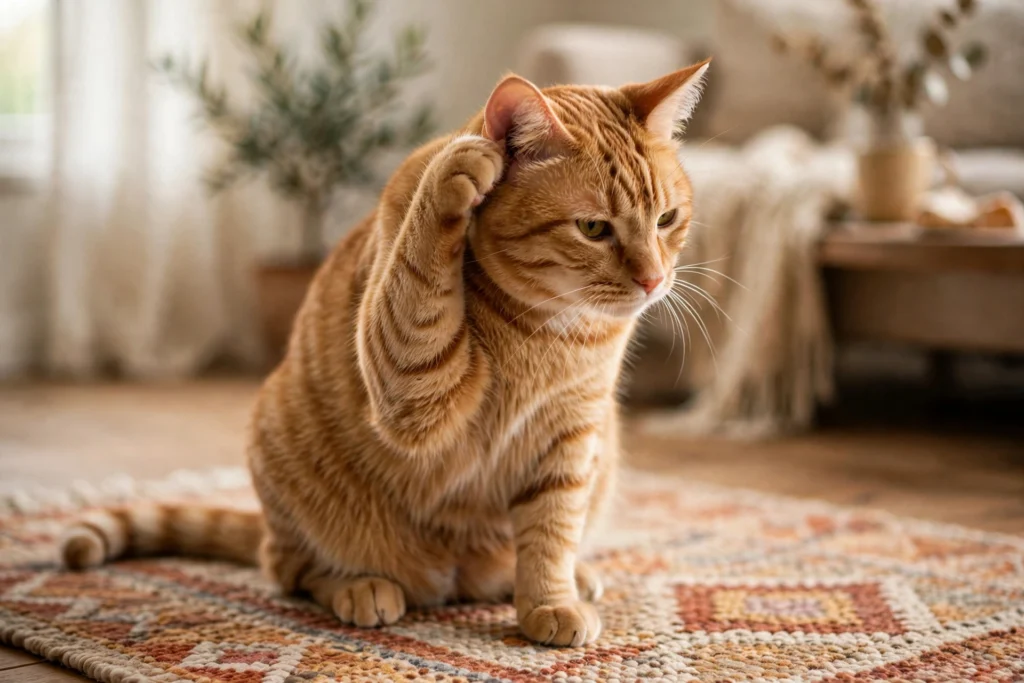
Watch for squinting, pawing at the face, or one eye held half-closed. Those suggest eye pain, not just watering, and pain changes the urgency. Your vet may stain the eye to check for an ulcer, which is common with herpesvirus flare-ups and needs specific treatment.
One firm rule: never reach for leftover eye drops or ointment from a previous illness, and never use human eye products. Eye medications are condition-specific, and the wrong one can make an ulcer worse. If the eyes are involved, that alone is reason enough to call the vet rather than continuing to watch at home.
FAQ: Cat sneezing
Is one sneeze normal?
An occasional sneeze in an otherwise normal cat may be minor. Repetition, discharge, appetite loss, or breathing effort changes the threshold for a call.
Can dusty litter cause sneezing?
Yes, dust and fragrances can irritate the nose. Change gradually and remove other airborne irritants.
Should I use a humidifier?
Ask your veterinarian; if used, keep it clean and avoid essential oils. Humidity is support, not a substitute for care.
For pain or behavior changes, see the Cat Grimace Scale.
Track each sneezing episode: how often it happens, the color and thickness of any discharge, and whether appetite and energy stay normal.
A short log over a few days shows the vet whether this is irritation or infection — bring the notes rather than relying on memory.
An occasional sneeze in a bright, eating cat can be watched, but thick or colored discharge, frequent fits, noisy breathing, or a drop in appetite or energy deserves a vet visit. Note how often the sneezing happens and what the discharge looks like — those details shape the next step. If breathing looks labored or the cat stops eating, don’t wait.
Sources consulted
- https://www.vet.cornell.edu/departments-centers-and-institutes/cornell-feline-health-center/health-information/respiratory-infections
- https://vcahospitals.com/know-your-pet/upper-respiratory-infection-in-cats
Educational information only; this guide does not diagnose or replace veterinary care.
More cat health guides: browse the cats hub.
Related cat guides
Related guides in this cat-health cluster: Cat Coughing Vs Hairball, Flea Treatment For Cats.
Veterinary Review & Editorial Standard
This clinical guide was prepared using peer-reviewed veterinary literature and guidelines from leading veterinary associations. If your pet exhibits acute symptoms or distress, please seek immediate in-person veterinary emergency care.
💬 1 Community Response
Comments are closed for this article.