Gabapentin for Cats: Uses, Safety and Vet Questions
 The Pets Passion Medical Team
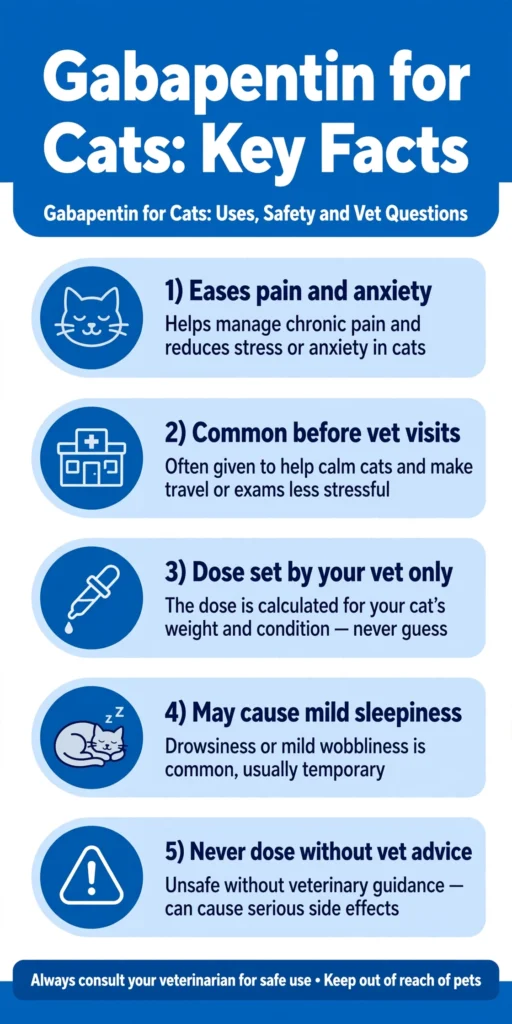
Gabapentin is a prescription medication veterinarians may use for nerve-related pain, seizures, or fear and anxiety around handling and veterinary visits. It can make a cat sleepy or wobbly, and the right plan depends on the cat’s reason for treatment, kidney function, other medicines, and formulation. Do not use a leftover human prescription or copy a dose from another cat.
Why do veterinarians prescribe gabapentin to cats?
VCA describes feline use for pain, seizure management, and veterinary-visit fear or anxiety. Reducing fear can make an exam safer and more complete, but gabapentin is not a substitute for diagnosing why a cat is painful or hiding. It may be part of a larger plan with environmental changes, other medicines, or follow-up testing. Ask what outcome your veterinarian expects and when to report it.
Gabapentin for vet-visit anxiety
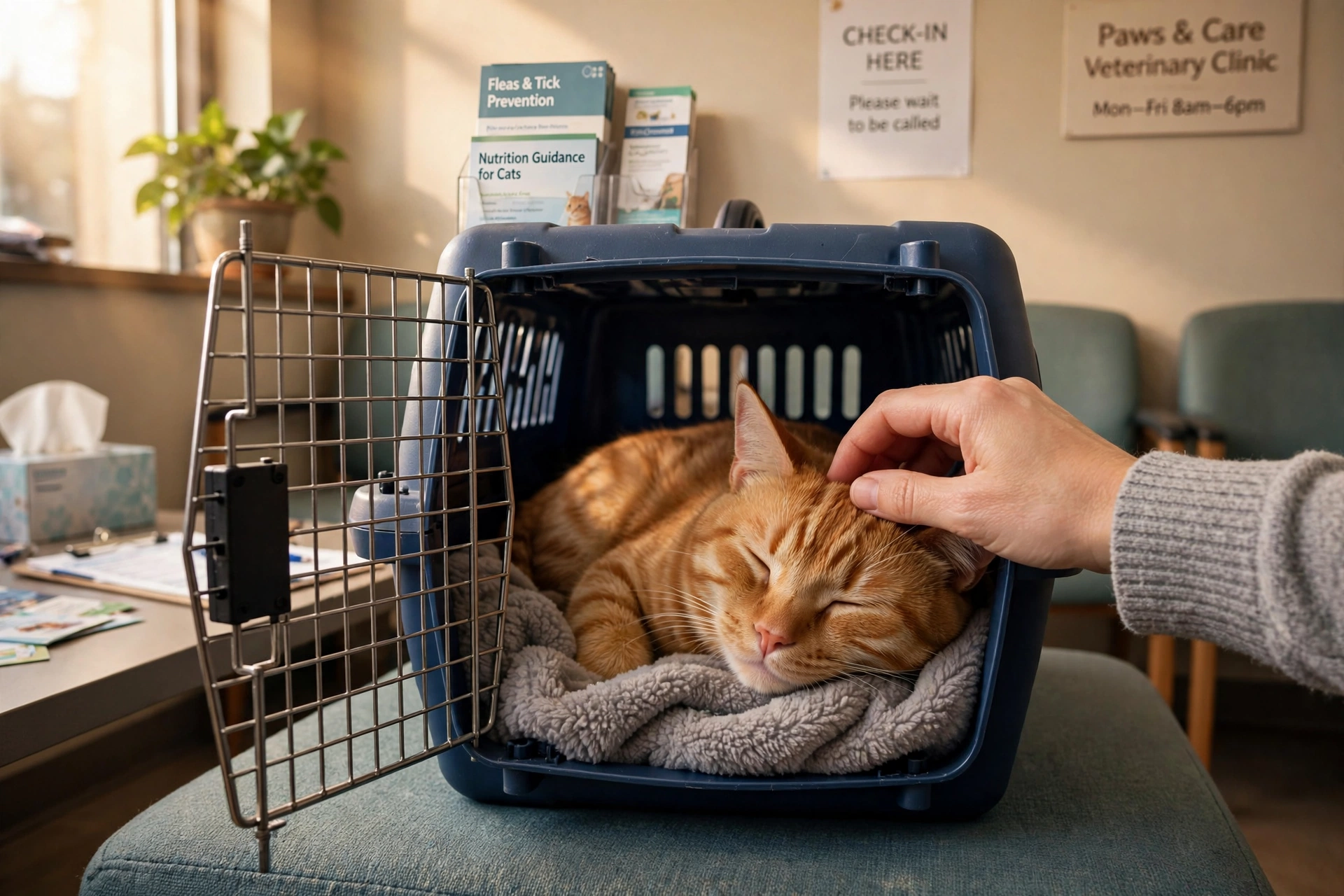
A veterinarian may prescribe a pre-visit plan for a cat that panics in the carrier, during transport, or on the exam table. Follow timing and handling instructions exactly; an excited, overstimulated cat may not receive the intended calming benefit. Keep the environment quiet and never redose because the first effect seems slow. Confirm whether the product is compounded for cats and how it should be stored.
Common side effects and safety concerns
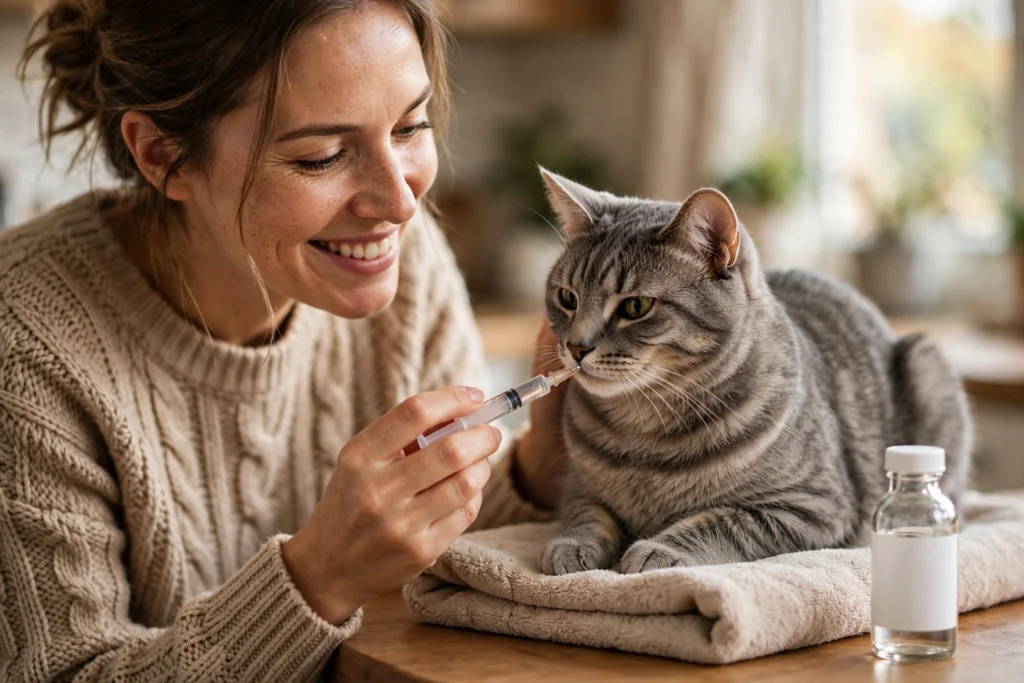
Sleepiness and incoordination are common reasons owners notice gabapentin. Some cats may seem unusually quiet or have gastrointestinal upset. Keep the cat away from stairs and outdoor access until the effect has worn off as directed. Tell the vet about kidney disease, pregnancy or nursing, allergies, seizures, and every medication or supplement. VCA specifically advises caution in kidney disease and pregnancy or lactation.
Why there is no safe DIY gabapentin dose chart
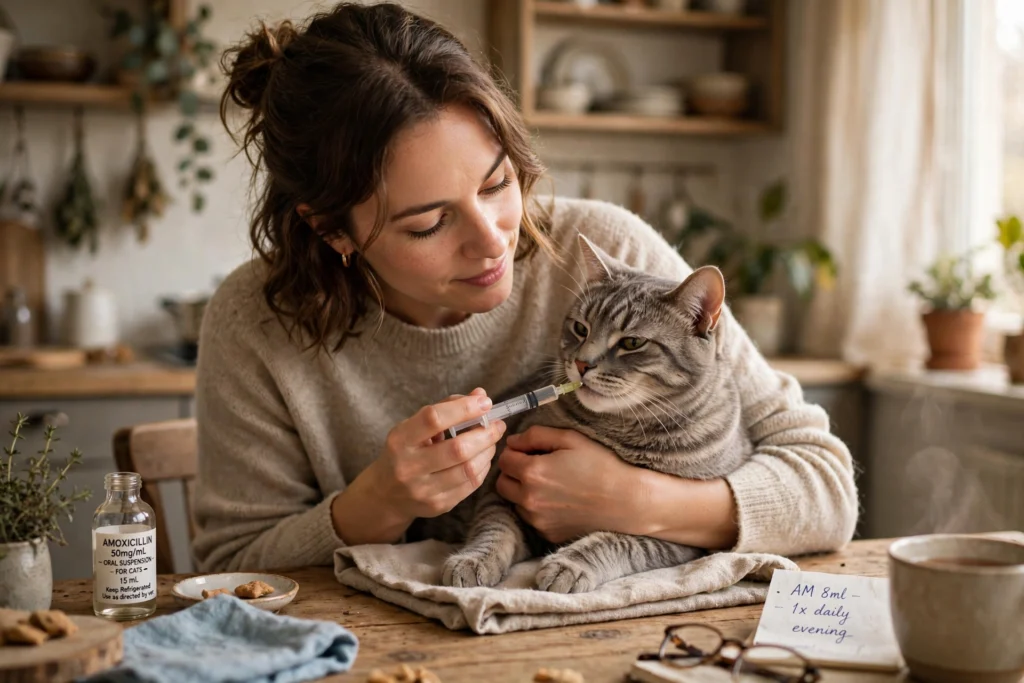
Different goals, concentrations, tablet sizes, kidney function, and schedules make a generic chart unsafe. A compounded liquid is not automatically equivalent to a capsule, and a human product may contain ingredients that are not appropriate for a particular cat. If you need a unit conversion, the pet medication converter can help you prepare a question, but only your prescribing veterinarian can set the dose.
What if I miss a dose or give too much?
Read the label and call the prescribing clinic for the specific instruction. Do not double the next dose or abruptly stop a seizure regimen without veterinary direction. If the cat is difficult to wake, cannot stand, is breathing abnormally, vomits repeatedly, or may have received an accidental overdose, contact an emergency veterinarian or poison service immediately and take the package with you.
Gabapentin and pain: watch the whole cat
A quieter cat is not necessarily a recovered cat. Continue to observe appetite, litter-box use, posture, grooming, movement, and interaction. The Cat Grimace Scale can help you describe facial pain cues, while the cat quality-of-life tool can organize longer-term observations. These tools support a vet conversation; they do not change a prescription.
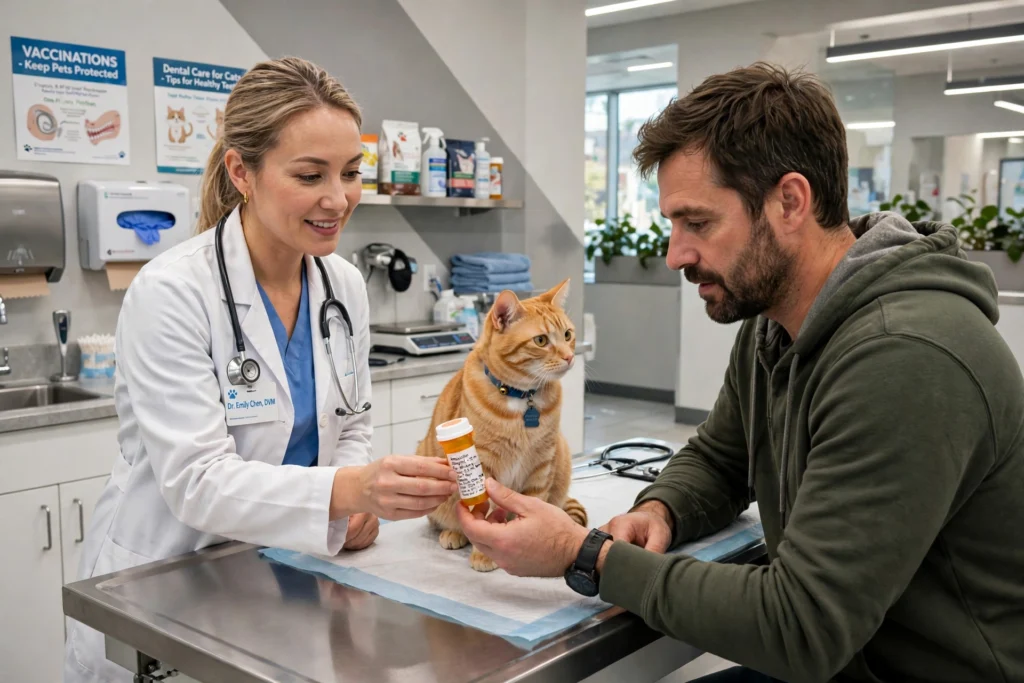
Solensia, another pain option for arthritic cats, works differently from gabapentin — ask your vet which suits your cat. Watch for signs of gabapentin overdose such as extreme sedation, and call your vet if your cat won’t eat after starting gabapentin.
FAQ: Gabapentin for cats
Is gabapentin a sedative?
It can cause sedation and incoordination, but its veterinary uses and effects vary. Follow the prescribed plan.
Can I use my own gabapentin?
Not without a veterinarian confirming the product, dose, and reason.
Can gabapentin cure anxiety?
It may reduce situational fear; behavior and medical assessment still matter.
Bring the label to every appointment and never share medication between pets.
A simple symptom log to make the next decision easier
Write down the time the change started, what you saw, what came out of the litter box, what the cat ate and drank, and whether energy or breathing changed. Note any new food, medication, cleaning product, plant, toy, travel, visitor, or contact with another animal. A short video can clarify posture or sound, but never delay urgent care to record one. Trends help a veterinarian more than a single label such as “acting weird.”
What not to do at home
Do not use human pain relievers, cold medicine, anti-diarrhea products, laxatives, enemas, essential oils, or leftover antibiotics unless a veterinarian specifically directs you. Do not force food or water into a struggling cat. Home care should reduce hazards and stress while professional advice is arranged—not replace an examination when the cat is worsening.
What to bring to the veterinary visit
Bring the medication and supplement list, food and treat labels, vaccine and parasite records, photos or video, and the times of meals, litter-box output, vomiting, diarrhea, coughing, sneezing, or medication. If a product or toxin may be involved, bring its packaging. Tell the clinic whether the cat is male or female, a kitten or senior, and whether urine was definitely produced. These details shorten the history and improve triage.
The practical bottom line
Gabapentin can make vet visits calmer, but the right dose and timing are individual — use exactly what your vet prescribed for your cat. Tell the clinic about other medications and how your cat reacted last time so the plan can be adjusted. If sedation seems excessive or the cat won’t wake properly, call the vet rather than waiting it out.
Questions worth asking before you leave the clinic
Ask what diagnosis is most likely, what dangerous alternatives have been considered, which test would change the plan, and what improvement should look like. Confirm every medication name, concentration, route, timing, storage instruction, and warning sign in writing. Ask when to recheck and whom to call after hours. If cost or transport is difficult, say so early; the team may be able to prioritize the safest next step.
Why online symptom lists cannot settle the diagnosis
The same sign can come from different body systems: a litter-box squat can be stool or urine, hacking can be a cough or retching, and appetite loss can reflect mouth pain or nausea. Age, sex, weight, diet, medication, and examination findings change the risk. Use this article and the linked tools to prepare a focused conversation, not to choose a prescription or wait through red flags.
Follow-up matters even after the first improvement
A cat may look better while the underlying problem is still present. Finish only the treatment your veterinarian prescribed, attend the recommended recheck, and continue tracking appetite, water, litter output, weight, breathing, and behavior. Do not stop a prescription early or save the remainder for the next episode. Prevention usually comes from the diagnosis: safer storage, gradual diet changes, box access, parasite control, or a chronic-care plan.
If the same problem returns
Do not assume a repeat episode is identical to the first. Contact the clinic with the old record and the new timeline, especially if episodes are closer together, more intense, or paired with weight loss. Recurrent signs may require a different test or referral. In an emergency, state the most concerning fact first—for example, “male cat, repeated straining, no confirmed urine” or “string swallowed this evening”—so the team can triage quickly.
Sources consulted
- https://vcahospitals.com/know-your-pet/gabapentin
- https://journals.sagepub.com/doi/full/10.1177/1098612X21993657
Educational information only; this guide does not diagnose or replace veterinary care.
More cat health guides: browse the cats hub.
For another vet-prescribed feline medication discussion, see the Solensia side-effects draft.
Veterinary Review & Editorial Standard
This clinical guide was prepared using peer-reviewed veterinary literature and guidelines from leading veterinary associations. If your pet exhibits acute symptoms or distress, please seek immediate in-person veterinary emergency care.