Cat Not Using the Litter Box? Medical Causes First
 The Pets Passion Medical Team
An adult cat not using the litter box is usually dealing with a health problem, stress, or a setup issue, not spite. Urinary pain, constipation, diarrhea, arthritis, kidney disease, diabetes, stress, and box aversion can all change elimination habits. The key emergency question is whether urine is coming out: a male cat repeatedly straining with little or no urine may have a life-threatening blockage. Note what is happening, where, and when, and get a vet involved before treating the home as a behavior-only problem.
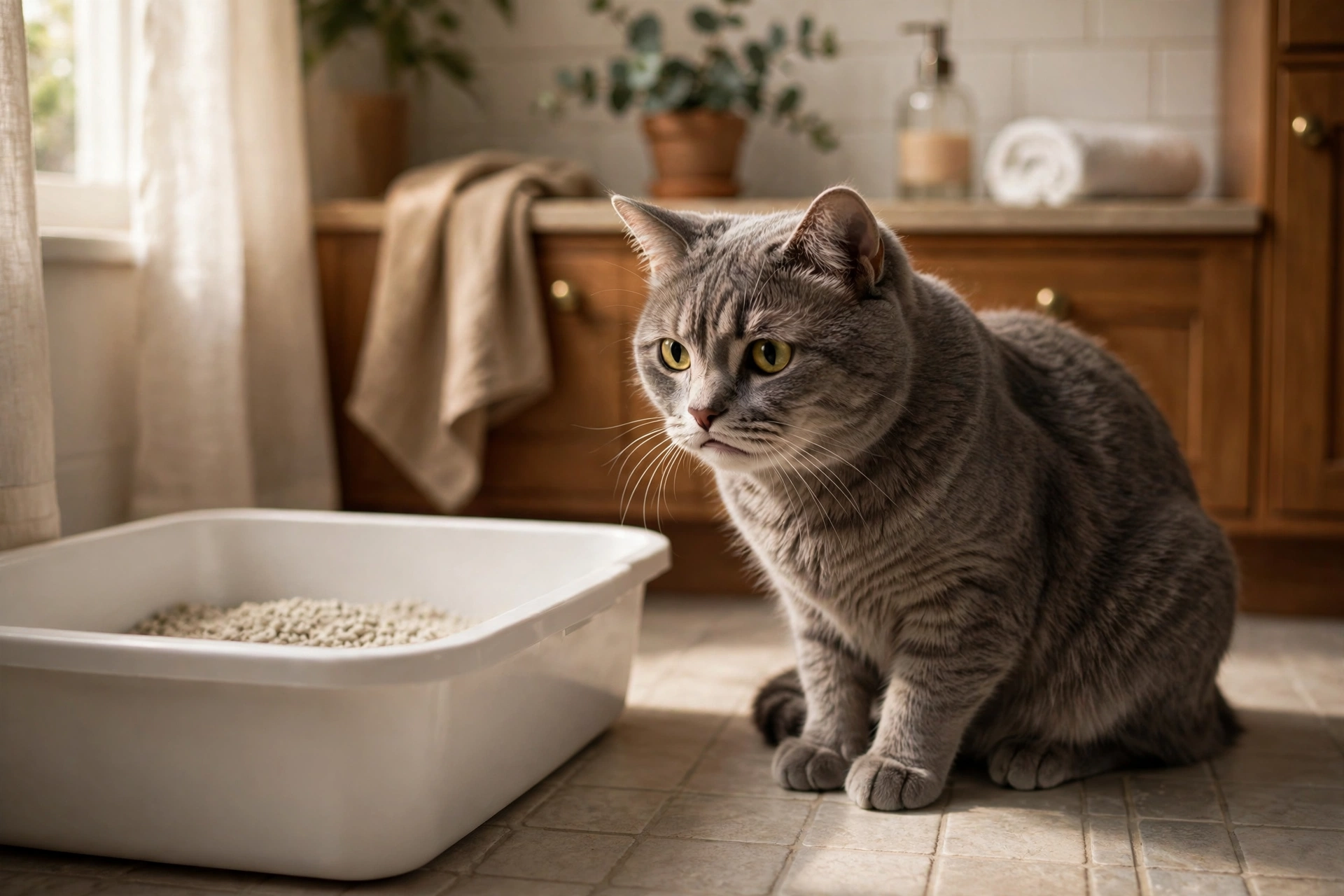
Why is the cat not using the litter box?
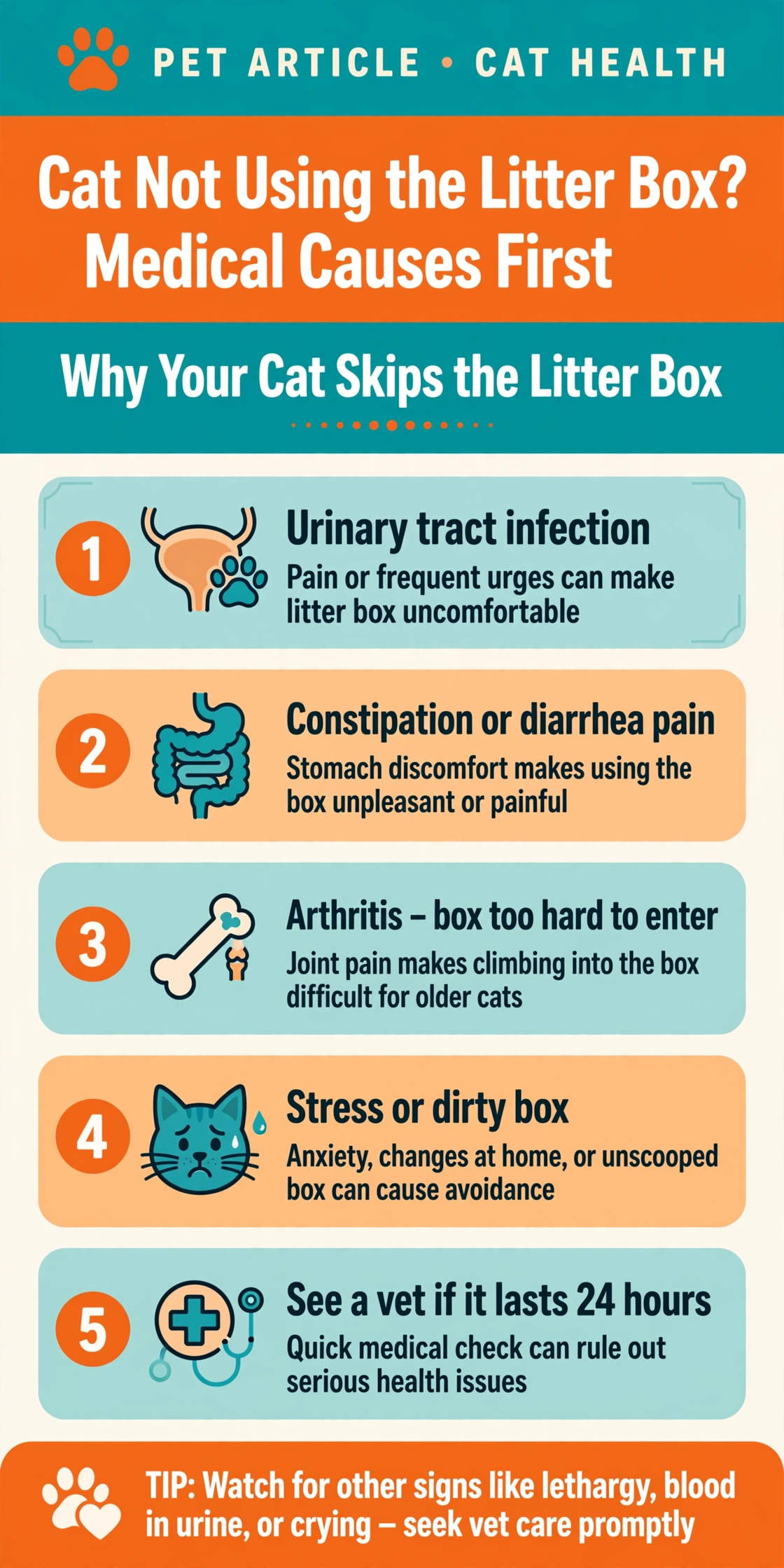
There is rarely a single answer, so think in categories. Medical causes change how elimination feels: bladder inflammation and stones make urination painful, constipation makes defecation painful, arthritis makes crouching painful, and diabetes or kidney disease increase urine volume beyond what the box routine handles. A cat that associates the box with pain may avoid it even after the original problem improves, which is why the behavior can outlast the illness.
Then there are the setup and stress causes. A box that is too small, too dirty, too smelly, or too hard to reach will be rejected by a fastidious animal, and a new box style, new litter, new home, or new pet can break the habit. Marking is its own category: small deposits on vertical surfaces are usually about territory and stress rather than the box itself, but pain and stress often coexist, so do not diagnose marking at home.
Is my cat peeing outside or spraying?
A full puddle on a horizontal surface often differs from small marking deposits on a vertical surface, but the distinction is not a diagnosis. A painful cat may choose a new place simply because the box hurts, and a stressed cat with a urinary problem can do both. Note the location, amount, posture, frequency, odor, and whether stool is normal. If your cat pees on the bed, for example, soft familiar surfaces are often chosen when a cat is painful, stressed, or avoiding a box; it is a clue, not revenge. Take the cat to a vet before treating the home as a behavior-only problem.
What medical problems make a cat stop using the box?
Bladder inflammation, infection, stones, obstruction, kidney disease, diabetes, constipation, diarrhea, arthritis, and cognitive changes can all alter litter habits. Senior cats deserve special attention: arthritis makes climbing into high-sided boxes and crouching painful, so an older cat may start going beside the box rather than in it. Cognitive decline can look like forgetting where the box is or how the routine works, especially at night.
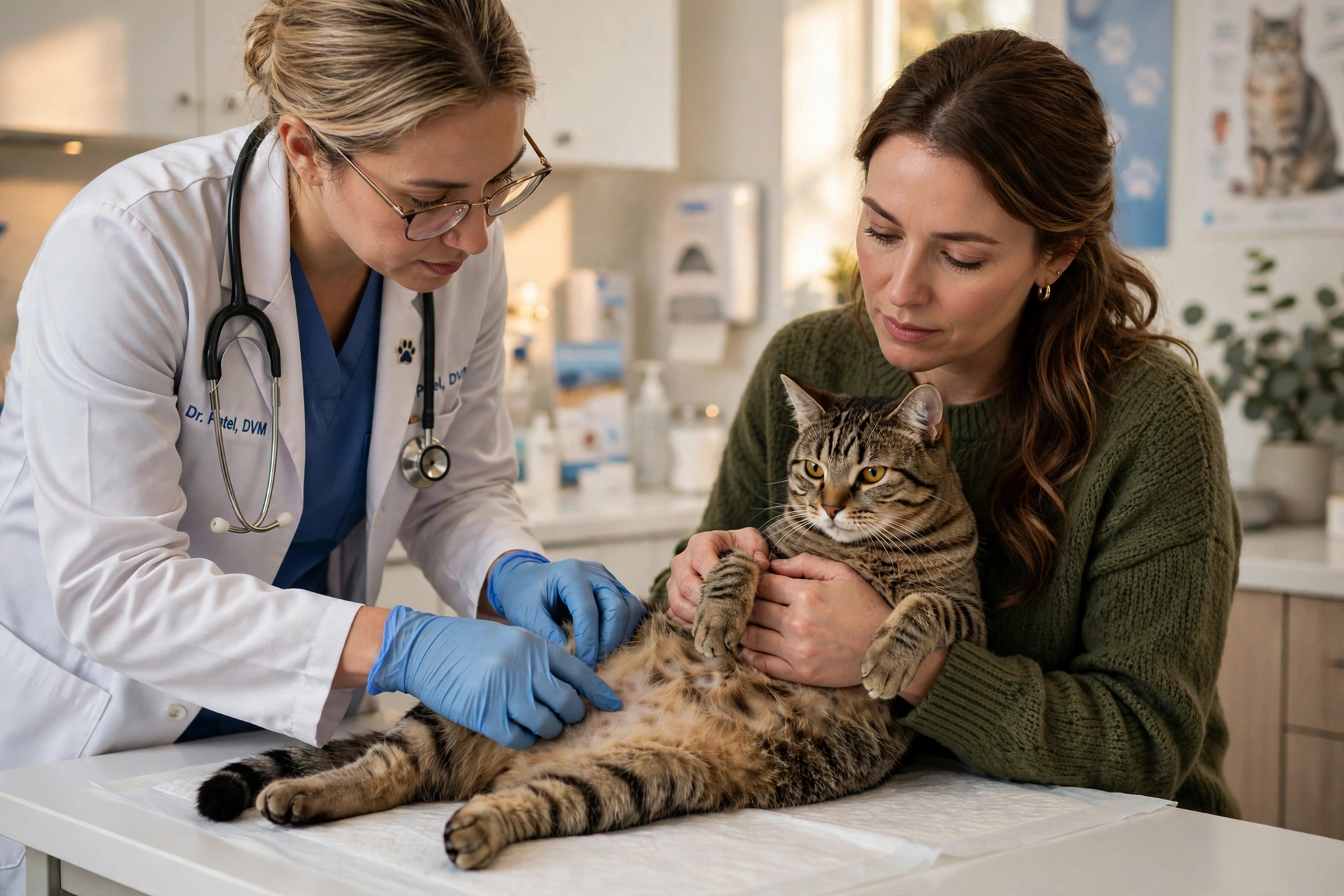
A physical exam, urine testing, and sometimes bloodwork or imaging help separate these causes. Do not start antibiotics left over from a prior illness; the wrong drug for the wrong problem wastes time and can cause harm. Note that straining in the litter box could mean a urinary blockage, not just avoidance, and urinary tract problems need a vet check first.
When is a litter-box problem an emergency?
Go now for repeated straining with no confirmed urine, crying out, vomiting, weakness, collapse, a painful or swollen belly, or a cat who cannot settle. Male cats have a higher obstruction risk because of their narrower urethra, but any cat with severe urinary signs needs urgent assessment. If there is any doubt that a clump is urine, call rather than guess.
How do I do a litter box audit?
Once medical causes are being handled, audit the setup with fresh eyes. Most box rejections fail on one of these:
- Number: one box per cat plus one spare, spread across the home, not lined up in a row.
- Size: large enough for the cat to turn around comfortably. Bigger is almost always better.
- Sides: low entry for kittens, seniors, and arthritic cats. Remove flaps or doors some cats hate pushing.
- Litter: unscented and fine-textured suits most cats; keep depth around two to three inches.
- Location: quiet but accessible, on each floor where practical, away from food and away from noisy appliances.
- Cleanliness: scoop daily and wash the box regularly without strong fragrance.
- Cover: a covered box can trap odor and feel cramped. Try uncovered if the cat avoids the hooded one.
Remember that litter training a kitten is a different process from retraining an adult, and choosing the right litter matters only after medical causes are ruled out.
What about senior cats specifically?
Older cats get a dedicated mention because their causes cluster. Arthritis makes the crouch and the climb painful, so switch to a large, low-entry box and keep it on the floor the cat lives on. Cognitive decline can scramble the routine: a nightlight near the box, keeping the box in exactly the same spot, and avoiding any sudden changes all help a confused cat stay on track. If a senior that was reliable for years starts missing, treat it as a medical flag first and a setup question second.
New home, new pet, or new box?
Change breaks routines. After a move, set up the box before the cat arrives, keep it in a consistent spot, and confine the cat to one room until the box habit is solid there. With a new pet, add boxes in separate areas so the newcomer cannot guard them all. If problems started right after you changed the box style or litter, change it back; you can transition gradually later with old and new side by side.
After the medical all-clear: how do I reset the box?
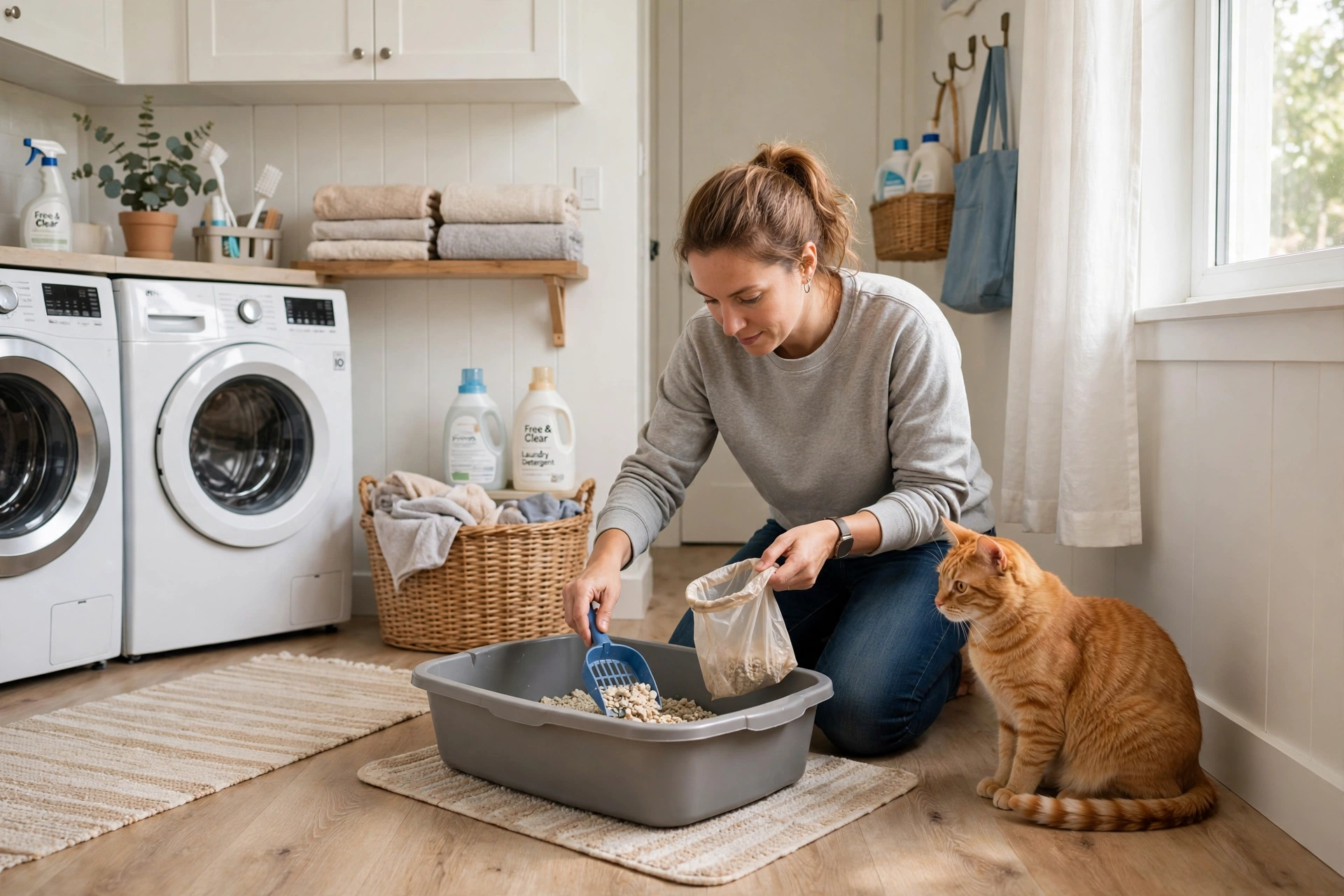
Offer one more box than the number of cats, on each floor where practical, in quiet but accessible locations. Scoop daily and wash without strong fragrance. Many cats prefer unscented, fine-textured litter and a box large enough to turn around in. If the cat has chosen one accident spot, place a temporary box there, then move it a little each day toward where you want it. Change only one thing at a time so you can tell what worked.
How do I reduce stress without blaming the cat?
Predictable meals, safe resting places, separated resources for each cat, vertical space like shelves or a tall tree, and gentle daily play all lower the background stress that fuels both marking and avoidance. In multi-cat homes, watch for blocking at hallways or box entrances; a cat that gets ambushed near the box will stop going near the box. Clean urine with an enzymatic product and avoid ammonia-smelling cleaners, which can smell like urine to a cat. Pheromone diffusers may be one part of a plan, but persistent accidents still deserve veterinary follow-up.
How long does retraining take?
With the medical cause treated and the setup fixed, many cats improve within one to three weeks. Deep-seated aversion takes longer: a cat that spent months associating the box with pain may need a month or more of patient rebuilding. Judge progress by trend, not perfection. If there is no improvement after a few weeks of a correct setup, go back to the vet rather than assuming stubbornness; something may have been missed.
Should I buy litter for heavy urination?
Only after a medical review. More absorbent litter may make cleanup easier, but it will not treat diabetes, kidney disease, cystitis, or obstruction. Our guide to cat litter for heavy urination belongs after you know why the volume changed. Keep recording clumps and water intake so your vet can see the trend.
Pattern, likely cause, next step
| Pattern | Most likely cause | Next step |
|---|---|---|
| Straining, little or no urine | Urinary blockage | Emergency vet now |
| Going beside the box | Box too small, dirty, or painful entry | Box audit; low-entry box |
| Sudden change in a senior | Arthritis, cognitive decline, illness | Vet check first |
| Small deposits on vertical surfaces | Marking / stress | Vet check, then stress reduction |
| Poop outside, pee inside | Constipation pain or box size | Vet check; see the constipation guide |
| Started after a move or new pet | Stress, territory | Extra boxes, steady routine |
FAQ: Adult litter-box problems
Why did my cat pee on my bed?
Soft, familiar surfaces can be chosen when a cat is painful, stressed, or avoiding a box. It is a clue, not revenge.
Should I confine my cat?
A short, calm reset may help after a vet check, but do not use confinement instead of diagnosis.
What if my cat is pooping outside?
Constipation, diarrhea, and pain can drive stool accidents. Use the constipation guide for triage context and call your vet when the pattern persists.
Should I scold my cat for going outside the box?
No. Punishment increases stress and teaches the cat to hide the behavior, not stop it. Fix the cause and the habit usually follows.
Could the covered box be the problem?
It can contribute. Covered boxes trap odor and can feel cramped, so if your cat avoids a hooded box, try the same litter in an open box before changing anything else.
Sources consulted
- Merck Veterinary Manual: Providing a Litter Box for a Cat
- Journal of Feline Medicine and Surgery: Feline House-Soiling
Educational information only; this guide does not diagnose or replace veterinary care.
Related cat guides
Related guides in this cat-health cluster: Kitten Not Using Litter Box, Cat Constipation When To Worry, Cat UTI Symptoms FIC. Rule out medical causes first: note which box is avoided, the timing of misses, and whether urine is actually being produced. A vet visit with those observations beats retraining a cat that may be in pain.
Veterinary Review & Editorial Standard
This clinical guide was prepared using peer-reviewed veterinary literature and guidelines from leading veterinary associations. If your pet exhibits acute symptoms or distress, please seek immediate in-person veterinary emergency care.