Cat UTI Symptoms or FIC? What Female and Non-Blocked Cats Need
 The Pets Passion Medical Team
Frequent trips to the litter box, painful urination, blood, and accidents outside the box can look like cat UTI symptoms — but feline idiopathic cystitis (FIC), bladder stones, stress, and urinary obstruction can all look similar. A urine test is more reliable than guessing from symptoms, and antibiotics are not automatically the answer. This guide covers non-obstructive urinary signs (which can affect males and females); urinary obstruction is a separate emergency that needs its own response.
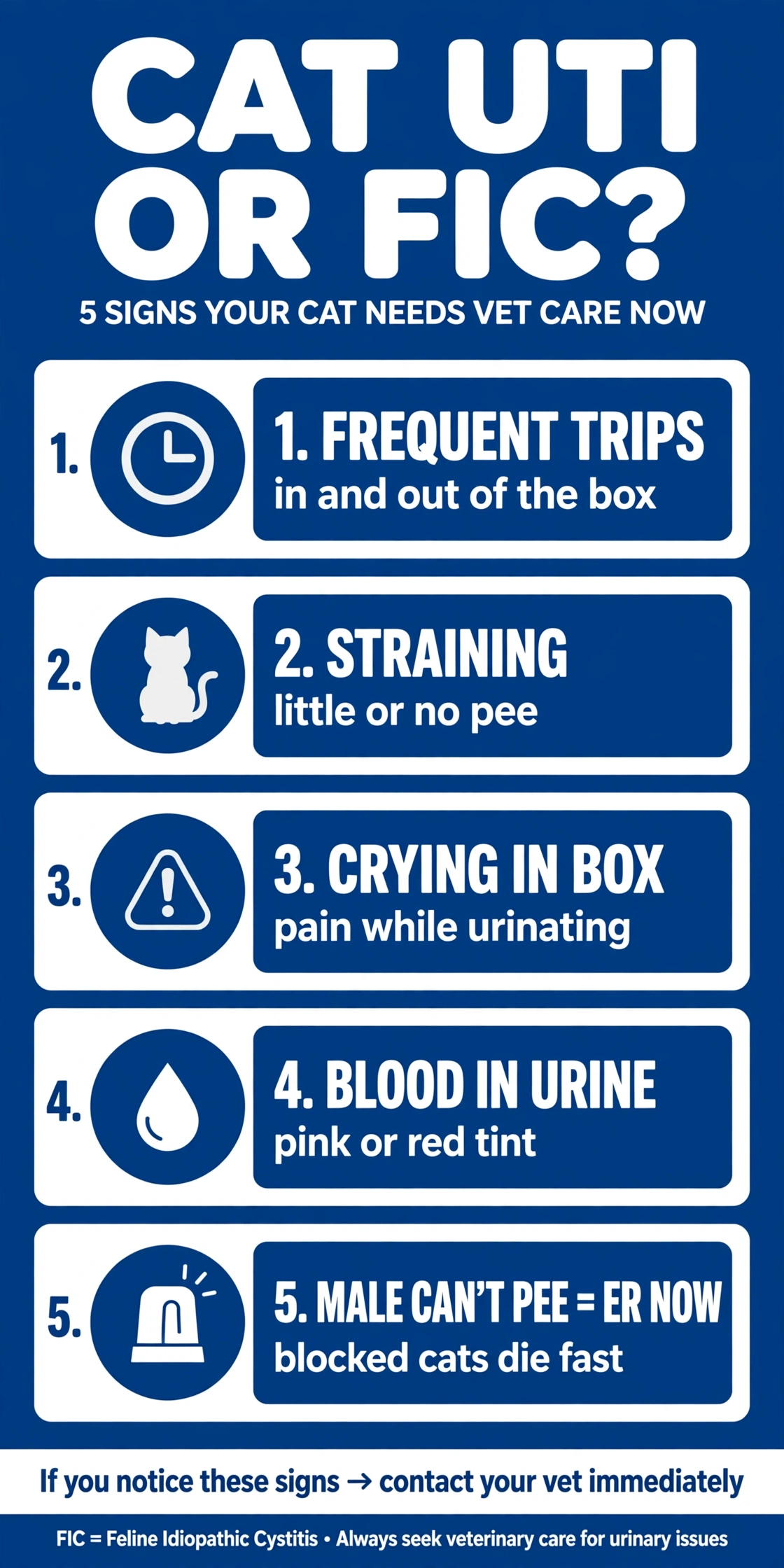
What urinary signs should I watch for?
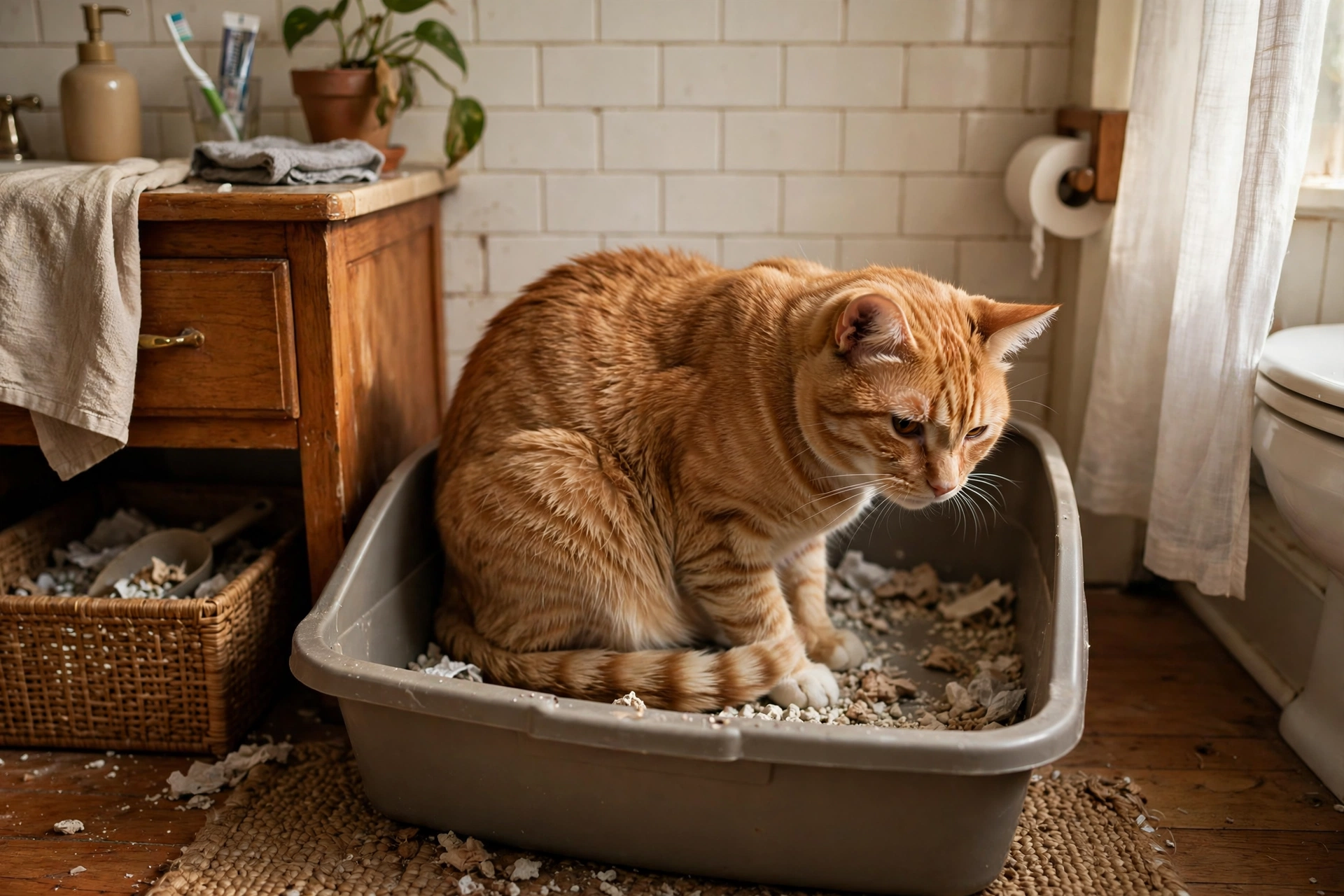
Common lower-urinary signs include frequent small attempts, straining, crying in the box, licking the genital area, blood-tinged urine, and urinating outside the box. Some cats hide pain well and only show a changed routine — visiting the box more, or avoiding it. The single most important observation: confirm whether any urine is actually produced. If there are only drops or no urine at all, plus increasing distress, vomiting, weakness, or a painful belly, call an emergency clinic now.
UTI versus FIC: why symptoms alone are not enough
A bacterial urinary infection requires evidence of infection — typically bacteria and white blood cells found on a urine test. FIC is bladder inflammation without an identified bacterial cause, diagnosed after other problems are ruled out. Stones, crystals, kidney disease, and obstruction can also cause the same signs. Your veterinarian may recommend urinalysis, urine culture, imaging, and bloodwork based on the cat’s age, sex, recurrence, and severity. Do not use leftover antibiotics or human urinary pain medicines — the wrong treatment can mask signs or cause harm.
How is a urine sample collected?
Your vet may suggest one of two approaches, and it helps to know what to expect:
- Free catch: you collect urine at home in a clean container when the cat urinates — often into a box lined with non-absorbent litter the clinic provides. It is noninvasive but can pick up contamination from the box or fur.
- Cystocentesis: the vet draws urine directly from the bladder with a thin needle, usually guided by feel or ultrasound. It sounds dramatic but is quick, and it gives the cleanest sample for culture.
Your vet will choose based on what the test needs to show. If a culture is needed, a clean sample matters more.
What do urinalysis results mean, in plain language?
- Blood in urine: inflammation, stones, or infection — confirms irritation but not the cause on its own.
- Bacteria: suggests infection, but the sample must be clean enough to trust; culture confirms it.
- Crystals: mineral particles that may or may not matter — many healthy cats have some.
- White blood cells: inflammation or infection in the urinary tract.
- Concentration (specific gravity): how well the kidneys are concentrating urine — useful context, not a diagnosis.
One abnormal result rarely tells the whole story. Your vet reads the pattern together with the exam and history.
Why is a blocked male cat an emergency?
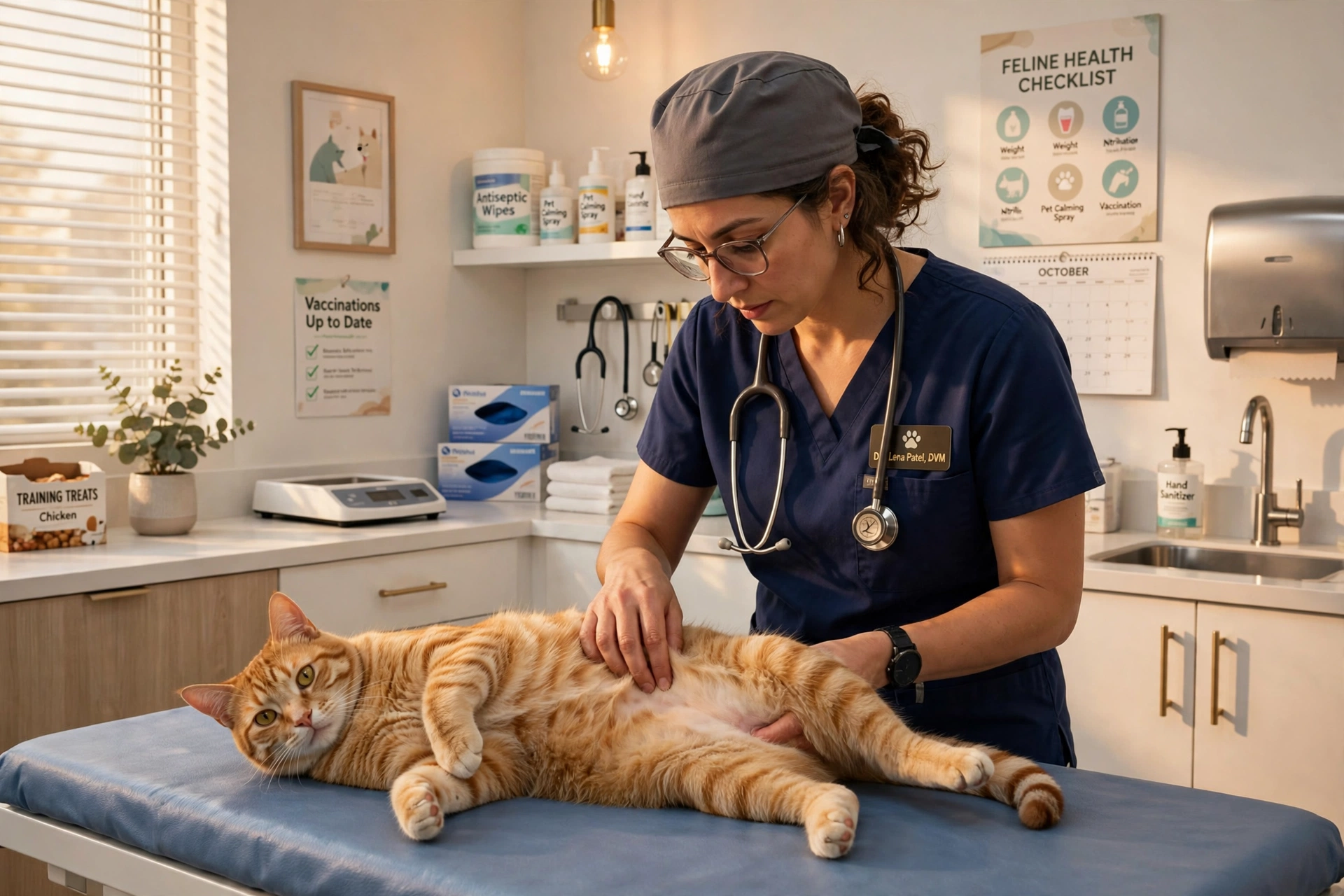
Male anatomy — a narrow urethra — creates a higher risk of urethral blockage. A male cat repeatedly entering the box, straining, crying, hiding, vomiting, or producing no urine should go to an emergency clinic, not wait for a routine appointment. A complete blockage can become life-threatening within a day as toxins build up. This is not the same as monitoring a comfortable female with confirmed urine output.
What is the stress–FIC connection?
Stress does not cause FIC out of nowhere, but in susceptible cats it is one of the strongest known triggers for flare-ups. The link is physiological, not “just behavioral”: stress hormones affect the bladder lining and nervous system in ways that can provoke inflammation. Common triggers include moving house, new pets, schedule changes, conflict with another cat, dirty or hard-to-reach litter boxes, and even boredom. This is why environmental management — more on that below — is a genuine part of treatment, not a dismissal of the problem.
What can support a non-obstructed cat at home?
Always follow the vet’s plan first. Alongside it:
- Make water easy to access — multiple bowls, fresh daily. See our water intake guide for how much cats need.
- Keep boxes clean — scoop daily. A painful cat will avoid a dirty box.
- Reduce conflict around food, rest, and litter — especially in multi-cat homes.
- Consider wet food or added moisture — it may help some cats, but diet changes should be gradual and medically appropriate.
- Offer multiple resources in quiet locations — water, food, resting spots, and boxes spread out so no cat has to pass another to reach them.
If your cat starts peeing outside the box, treat it as a symptom to investigate, not misbehavior to punish.
What is diet’s real role in urinary health?
Diet matters, but it is not magic and it is not one-size-fits-all. For some cats — particularly those prone to certain crystal types — a vet-prescribed diet is part of the long-term plan. For others, the bigger lever is water intake and stress. What to avoid: switching foods abruptly during a flare-up, choosing a diet for its marketing rather than your vet’s recommendation, and assuming any single food prevents all urinary problems. Ask your veterinarian what diet and follow-up fit this particular cat.
How do I track recovery?
A short daily log turns vague impressions into useful data:
- Urine frequency and clump size
- Any blood visible
- Appetite and water intake
- Medications given and when
- Behavior notes — hiding, straining, crying, grooming changes
Recheck if signs return, fail to improve, or change. Pain can make a cat hide, stop grooming, or sit tensely; the Cat Grimace Scale — a validated tool your vet may know — can help you describe what you are seeing in concrete terms.
How do I prevent recurrence?
- Enough boxes: one per cat, plus one spare, is the standard guidance.
- Scoop daily and avoid strongly fragranced litter.
- Make access easy for older or painful cats — low sides, nearby placement.
- Keep a stable routine and separate resources in multi-cat homes.
- Keep up with vet rechecks on the schedule your vet sets.
A litter marketed for heavy urination cannot diagnose or treat cystitis — it is a monitoring aid at best. See our heavy-urination litter guide for what these products can and cannot do.
Frequently asked questions
Do female cats get urinary blockages?
Complete blockage is rare in females because the urethra is wider, but females can still develop painful UTIs, FIC, and stones. Any cat straining with little or no urine output needs prompt care.
Will antibiotics cure FIC?
No. FIC is inflammation without a bacterial cause, so antibiotics do not treat it. Bacterial UTIs do need antibiotics — which is exactly why testing comes before treatment.
Is blood in urine always an ER sign?
Blood in the urine always deserves a prompt vet call, but it is not always an emergency-room situation on its own. It becomes urgent when combined with straining and no urine output, vomiting, collapse, or severe pain — especially in a male cat.
Can I prevent urinary problems with diet alone?
Diet is one piece. Water intake, litter box management, stress reduction, and vet follow-up matter just as much. No diet replaces diagnosis and treatment.
How long do FIC flare-ups last?
Many flare-ups resolve within several days to a couple of weeks with proper care, but recurrence is common. If episodes keep returning, ask your vet about a longer-term management plan.
Sources consulted
- Cornell Feline Health Center: Feline Lower Urinary Tract Disease
- VCA Hospitals: Feline Idiopathic Cystitis
- VCA Hospitals: Cystitis and Lower Urinary Tract Disease in Cats
Related guides
- Cat Not Using Litter Box
- Cat Constipation: When To Worry
- How Much Water Should A Cat Drink
Veterinary Review & Editorial Standard
This clinical guide was prepared using peer-reviewed veterinary literature and guidelines from leading veterinary associations. If your pet exhibits acute symptoms or distress, please seek immediate in-person veterinary emergency care.