German Shepherd History: From 19th-Century Herding Dogs to the Modern Breed
 The Pets Passion Medical Team
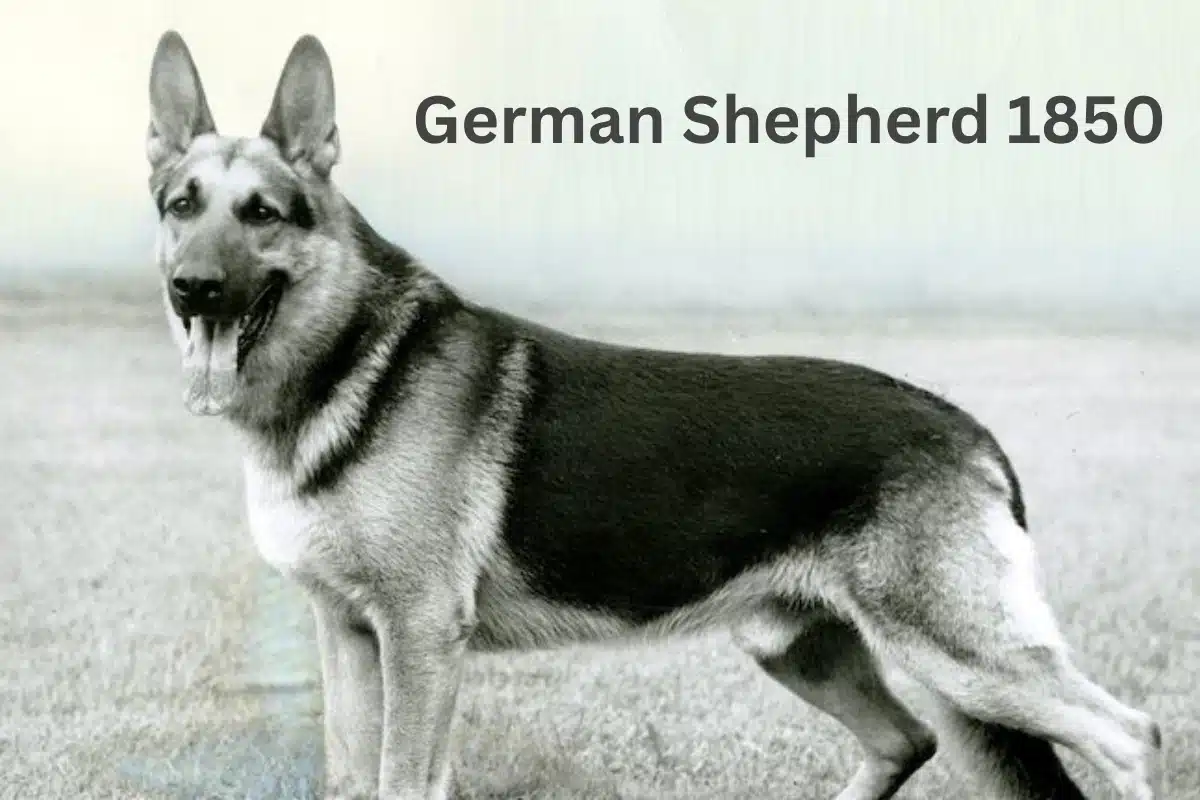
Long before the German Shepherd became a registered breed in 1899, German farmers relied on regional herding dogs to guard flocks and drive sheep. In the mid-1800s, these were not a single breed but varied local types, selected for intelligence, stamina, and working ability. Breed standardization efforts eventually led Max von Stephanitz to found the breed we know today, registering the first German Shepherd, Horand von Grafrath, in 1899.
Table of Contents
Key Traits of Early German Herding Dogs
Physical Characteristics of German Herding Dogs in the 1850s
German herding dogs (the German Shepherd’s ancestors) were medium-sized, agile, and sturdy. Their coats were dense, offering protection from harsh weather. While their appearance varied slightly, their structure supported their working roles.
Temperament and Behavior in Early Years
These dogs were loyal, courageous, and highly intelligent. Bred for utility, they excelled in herding tasks and were known for their problem-solving abilities. Their temperament made them reliable working partners.
German Herding Dogs’ Influence on Working Dog Breeds
Impact on Other Breeds in the 1800s
German herding dogs (the German Shepherd’s ancestors) influenced the development of several working breeds. Their traits were valued and integrated into the era’s other herding and protection dogs.
German Herding Dogs as Early Working Dogs in Society
By the 1850s, German herding dogs (the German Shepherd’s ancestors) played critical roles in rural societies. They guarded livestock, assisted shepherds, and were dependable companions in daily tasks.
How 1850s German Herding Dogs Shaped the Modern Breed
From the Phylax Society to the First Registered German Shepherd
The Phylax Society, founded in 1891, aimed to standardize German dog breeds. While it dissolved early, its efforts influenced the establishment of the German Shepherd as a recognized breed by Max von Stephanitz in 1899.
The Evolution of Appearance and Traits Over Time
Over the decades, selective breeding refined the German Shepherd. Today’s dogs retain their ancestors’ intelligence and loyalty while showcasing more uniform physical traits.
Global Growth and Popularity of the Breed
As the breed gained recognition, its popularity expanded beyond Germany. Today, German Shepherds are known for their versatility in police work, military service, and search-and-rescue missions.
Conclusion
The history of the “German Shepherd 1850” is a journey that highlights the breed’s evolution from its rural German origins to its modern-day prominence. Early German Shepherds were shaped by the practical needs of farmers and shepherds, laying a foundation for their defining traits intelligence, loyalty, and adaptability.
Max von Stephanitz’s vision further refined the breed, ensuring its utility as a working dog while fostering its growth into a global icon. The traits developed during the 1850s remain central to the breed’s identity today, making the German Shepherd a symbol of excellence and reliability across generations. This enduring legacy is a testament to the dedication of those who recognized the potential of this remarkable breed.
FAQ’s
When did the first German Shepherd come out?
The German Shepherd was founded as a breed in 1899 when Max von Stephanitz registered Horand von Grafrath; in 1850 only regional German herding dogs (the breed’s ancestors) existed.
Is this the most ancient German Shepherd dog?
The German Shepherd did not exist as a breed in 1850; only regional German herding dogs (the breed’s ancestors) existed then. The breed was founded in 1899 when Max von Stephanitz registered Horand von Grafrath.
What were German Shepherds called during the war?
During wartime, German Shepherds were often referred to as “Alsatians” to avoid anti-German sentiment.
Did Germany use German Shepherds in WWII?
Yes, Germany used German Shepherds in WWII for roles like guarding, tracking, and messaging.
What is the rarest type of German Shepherd?
The panda-colored German Shepherd is one of the rarest types due to its unique genetics.
Which is the most intelligent dog?
The Border Collie is considered the most intelligent dog, though the German Shepherd is also highly ranked.
Which breed of dog is the one with the lowest IQ?
The Afghan Hound is often considered the breed with the lowest IQ, based on obedience and training ability.
What is the ancestor of the German Shepherd?
The German Shepherd’s ancestors were the regional German herding dogs of Germany, which existed long before the breed was founded in 1899 when Max von Stephanitz registered Horand von Grafrath.
What two breeds make a German Shepherd?
The German Shepherd was primarily developed from native herding dogs in Germany, not a mix of two distinct breeds.
What is the oldest German Shepherd dog?
The oldest known German Shepherd dog reportedly lived up to 18 years, though individual longevity varies.
What Made the German Shepherd 1850 Unique?
1850s German herding dogs were valued for their adaptability. They excelled in herding, guarding, and other essential tasks, which set them apart from many other dogs of the time.
How Did German Shepherds Become a Global Icon?
Through dedication to selective breeding, the German Shepherd grew into a breed renowned for its intelligence and dependability. Its versatility helped it achieve global recognition.
Veterinary Review & Editorial Standard
This clinical guide was prepared using peer-reviewed veterinary literature and guidelines from leading veterinary associations. If your pet exhibits acute symptoms or distress, please seek immediate in-person veterinary emergency care.