
Cat Diarrhea: When to Worry and What to Do
 The Pets Passion Medical Team
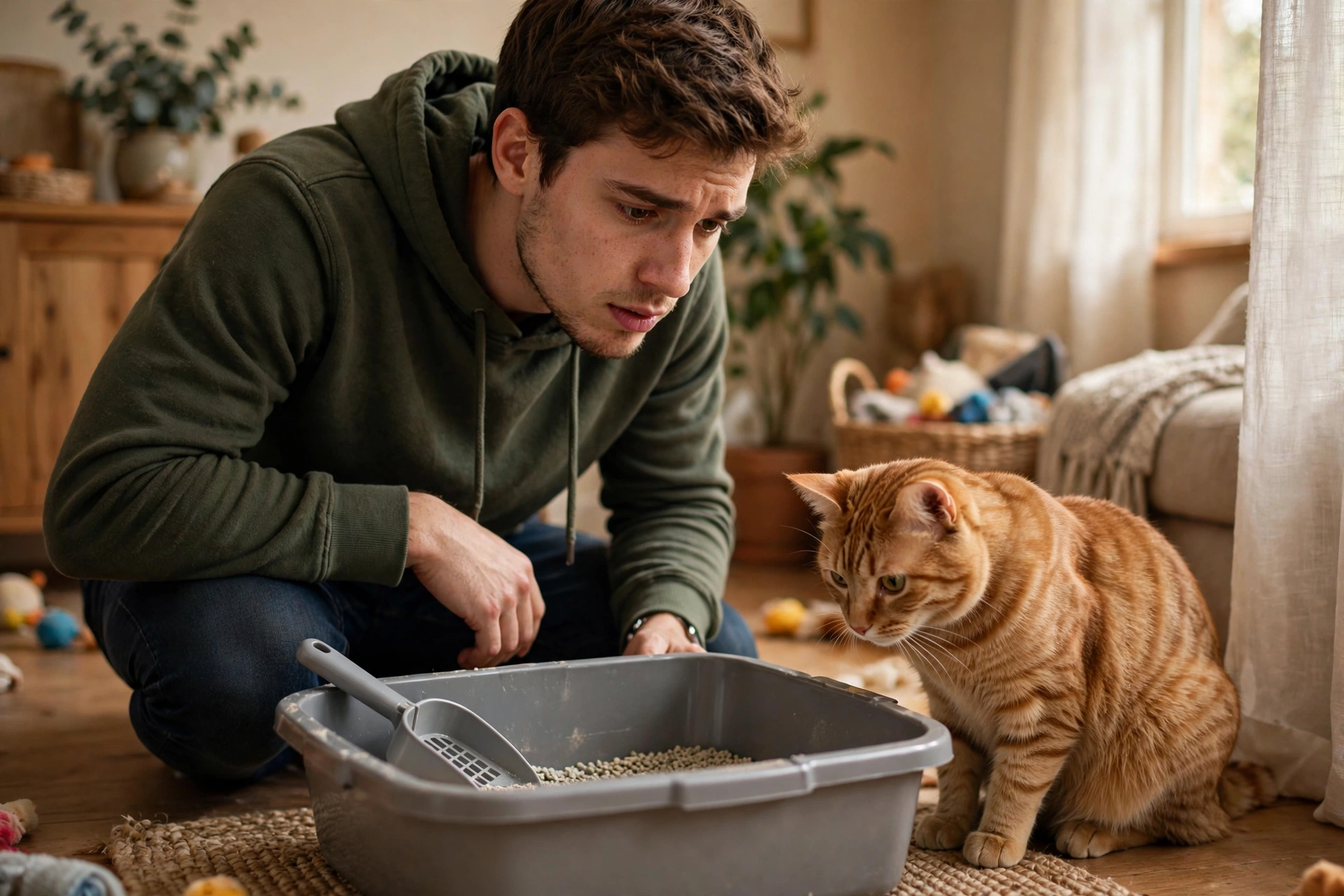
A single episode of loose stool after a diet change can be very different from persistent diarrhea — and knowing the difference matters. If your cat has diarrhea, the urgent question is when to worry: blood, mucus, straining, accidents outside the box, vomiting, lethargy, dehydration, or weight loss all deserve veterin This guide explains cat diarrhea when to worry, what to monitor at home, and what to tell the clinic.ary attention. Dehydration develops quickly in kittens and small cats, and blood or mucus changes the urgency entirely. Use this guide to decide how fast to act and what to tell the clinic.
What counts as diarrhea in cats?
Any loose, watery, or unusually frequent stool counts. But “normal” varies: some cats go once daily, others twice. The useful comparison is against your cat’s own usual pattern. Track:
- When it started — and whether it has been getting better or worse.
- How often — number of litter box visits per day.
- Where — accidents outside the litter box suggest urgency or straining.
- What it looks like — color, consistency, mucus, blood, smell.
New food, treats, dairy, or a sudden diet change can loosen stools briefly, but diarrhea that persists more than a day or keeps recurring needs a closer look.
Small bowel vs large bowel diarrhea: why the difference matters
Your vet will ask about frequency and volume, because where the problem is located changes the picture:
| Clue | Small bowel (higher up) | Large bowel (lower down) |
|---|---|---|
| Amount per episode | Large volume | Small volume |
| Frequency | Normal or slightly more | Much more frequent |
| Straining/urgency | Uncommon | Common, with accidents |
| Mucus | Rare | More likely |
| Weight loss | More likely over time | Less likely |
You do not need to diagnose this yourself — but noting frequency and volume helps the clinic narrow things down much faster.
What are the common causes of cat diarrhea?
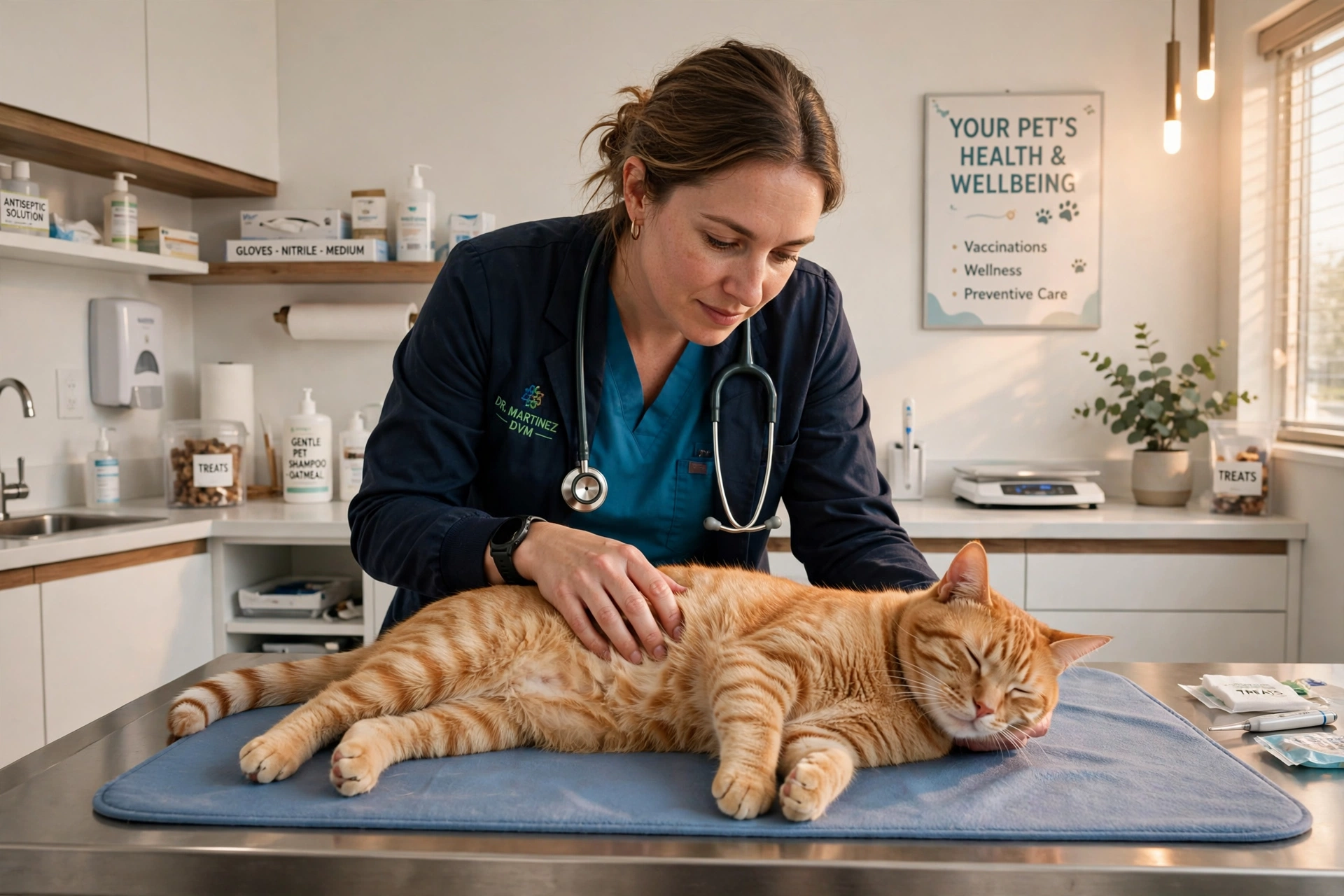
Food issues (diet change, new treats, dairy), parasites (roundworms, giardia, coccidia), infection, stress, toxins, or swallowed objects can all trigger diarrhea. With chronic or recurring cases, inflammatory bowel disease, pancreatitis, liver or kidney disease, hyperthyroidism, and tumors are possible. A vet visit with a stool sample usually sorts out the common causes first.
When should I call the vet?
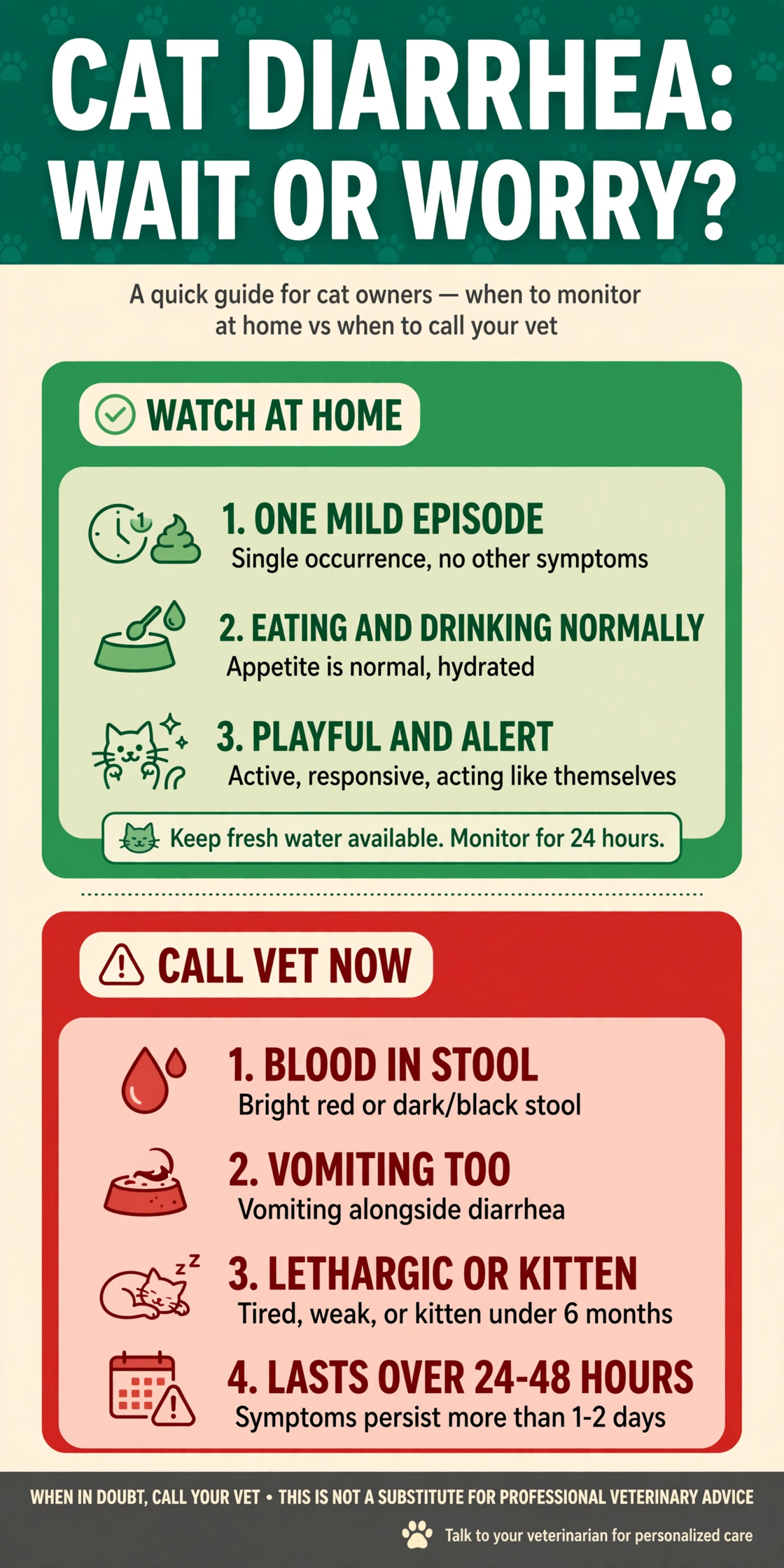
Call now or go to emergency care for:
- Blood in the stool, or black tarry stool
- Repeated vomiting
- Severe lethargy, collapse, or pale gums
- A bloated or painful belly
- A kitten or senior that stops eating or drinking
Seek same-day care for diarrhea lasting more than 24–48 hours, mucus in the stool, straining with little output, fever, or weight loss. Even mild diarrhea deserves a call when the cat is very young, very old, or managing a chronic illness.
How do I change food without causing diarrhea?
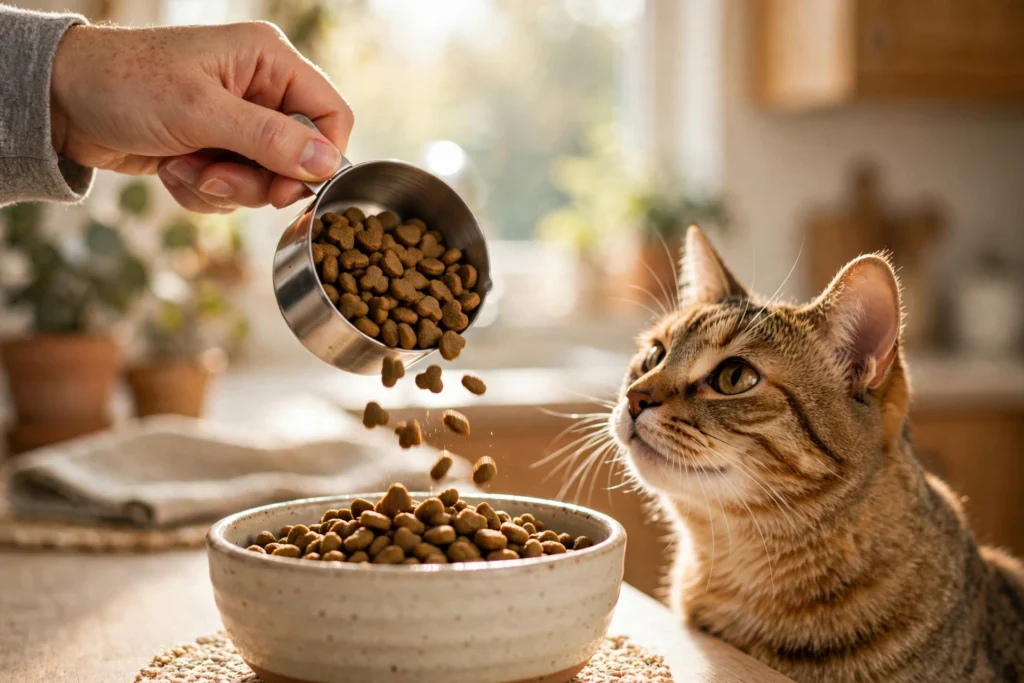
Sudden diet changes are one of the most common causes of loose stool. Transition over 7–10 days:
- Days 1–3: 25% new food mixed with 75% old food.
- Days 4–6: 50/50 mix.
- Days 7–9: 75% new, 25% old.
- Day 10: all new food.
If loose stool appears at any step, go back to the previous ratio for a few days before moving on. Sensitive cats may need an even slower transition. This applies to treats too — introduce new treats one at a time.
How do I collect a stool sample for the vet?
Most diarrhea visits need a fresh sample. Here is how to do it right:
- Collect the freshest stool you can — ideally less than 12 hours old.
- Use a clean container — a zip bag or the small container the clinic provides.
- Keep it cool — refrigerate if the visit is more than an hour away (do not freeze it).
- Bring a generous amount — a tablespoon-sized portion is usually enough, more does not hurt.
- Call ahead — some clinics have specific instructions or timing requirements.

What home care is safe while I wait?
Diarrhea drains water and electrolytes, so hydration matters more than any home remedy. Make fresh water easy to reach — try multiple bowls, or a different bowl location, if your cat is not drinking. Watch for dehydration signs: dry or tacky gums, sunken eyes, skin that stays tented when gently pinched, or unusual tiredness. A pet hydration calculator can help you estimate daily needs, but it is not a substitute for care when dehydration signs appear.
- Feed normally if your cat is eating well — do not fast unless your vet tells you to.
- Do not use human anti-diarrhea drugs unless your veterinarian directs it — some are dangerous for cats.
- Keep the litter box extra clean — frequent cleaning also lets you monitor output.
- Keep the cat indoors and rested until you know what is going on.
Diarrhea and appetite loss together
Diarrhea plus not eating is a combination that needs a call the same day, especially in kittens and seniors. Fluid loss plus no incoming energy depletes a small body fast. See our guide on cat not eating: when to worry as well — the two articles are designed to work together.
What about chronic or recurring diarrhea?
Diarrhea that keeps coming back over weeks deserves a full workup, not just another round of wait-and-see. The vet may start with a stool analysis and diet review, then move to bloodwork, and in some cases abdominal imaging or intestinal biopsies to look for inflammatory bowel disease or other chronic conditions. Recurrence itself is information — note the pattern: does it follow diet changes, stressful events, or seem random?
Why is kitten diarrhea more urgent?
Kittens have small reserves and dehydrate fast, so the thresholds are lower across the board. A kitten with diarrhea who is still playful, eating, and drinking can often be monitored for a day while you call the clinic for advice. But a kitten with diarrhea who is lethargic, stops eating, has blood in the stool, or shows any dehydration sign needs to be seen the same day — waiting is not worth the risk at this age. If you have recently adopted a kitten, ask your vet about a routine stool check at the first visit; new kittens commonly carry parasites that are easy to treat once found.
What information helps the clinic?
Bring a short summary: when diarrhea started, how often it happens, what it looks like, and whether there is blood, mucus, or straining. List every food, treat, and medication from the past two weeks, plus any possible toxins or new household products. Mention recent boarding, new pets, or stress. Photos of the stool can genuinely help — vets would rather see a photo than have you try to describe it.
A simple stool log works well: date and time, consistency (formed, soft, watery), color, mucus or blood (yes/no), and where it happened. Two or three days of notes can change the diagnostic plan.
Frequently asked questions
Can I fast my cat to stop diarrhea?
Not on your own. Fasting a cat — especially a kitten, senior, or overweight cat — can do more harm than the diarrhea itself. Feed normally unless your vet specifically advises a pause.
Is yellow stool always serious?
Not always — diet and rapid transit can change stool color. But persistent yellow or very pale stool, especially with other symptoms, is worth a vet call.
Can stress cause diarrhea?
Yes. Boarding, moving, a new pet, or even houseguests can loosen stools for a day or two. If it lasts longer than 24–48 hours, treat it like any other diarrhea and call.
Can my other cats catch it?
Some causes, like certain parasites, are contagious between cats. If one cat has diarrhea, keep litter boxes extra clean and mention the other cats to your vet.
When is diarrhea an emergency?
Blood in the stool, black tarry stool, repeated vomiting, collapse, pale gums, a painful belly, or any diarrhea in a kitten that stops eating or drinking — those are emergency signs.
Sources consulted
- Cornell Feline Health Center: Feline Diarrhea
- VCA Hospitals: Diarrhea in Cats
- Veterinary Partner (VIN): Diarrhea in Cats
Related guides
- Cat Constipation: When To Worry
- Cat Not Eating: When To Worry
- Cat Ate String: What To Do
Veterinary Review & Editorial Standard
This clinical guide was prepared using peer-reviewed veterinary literature and guidelines from leading veterinary associations. If your pet exhibits acute symptoms or distress, please seek immediate in-person veterinary emergency care.
💬 1 Community Response
Comments are closed for this article.