Older Cat Yowling at Night: Medical Causes First
 The Pets Passion Medical Team
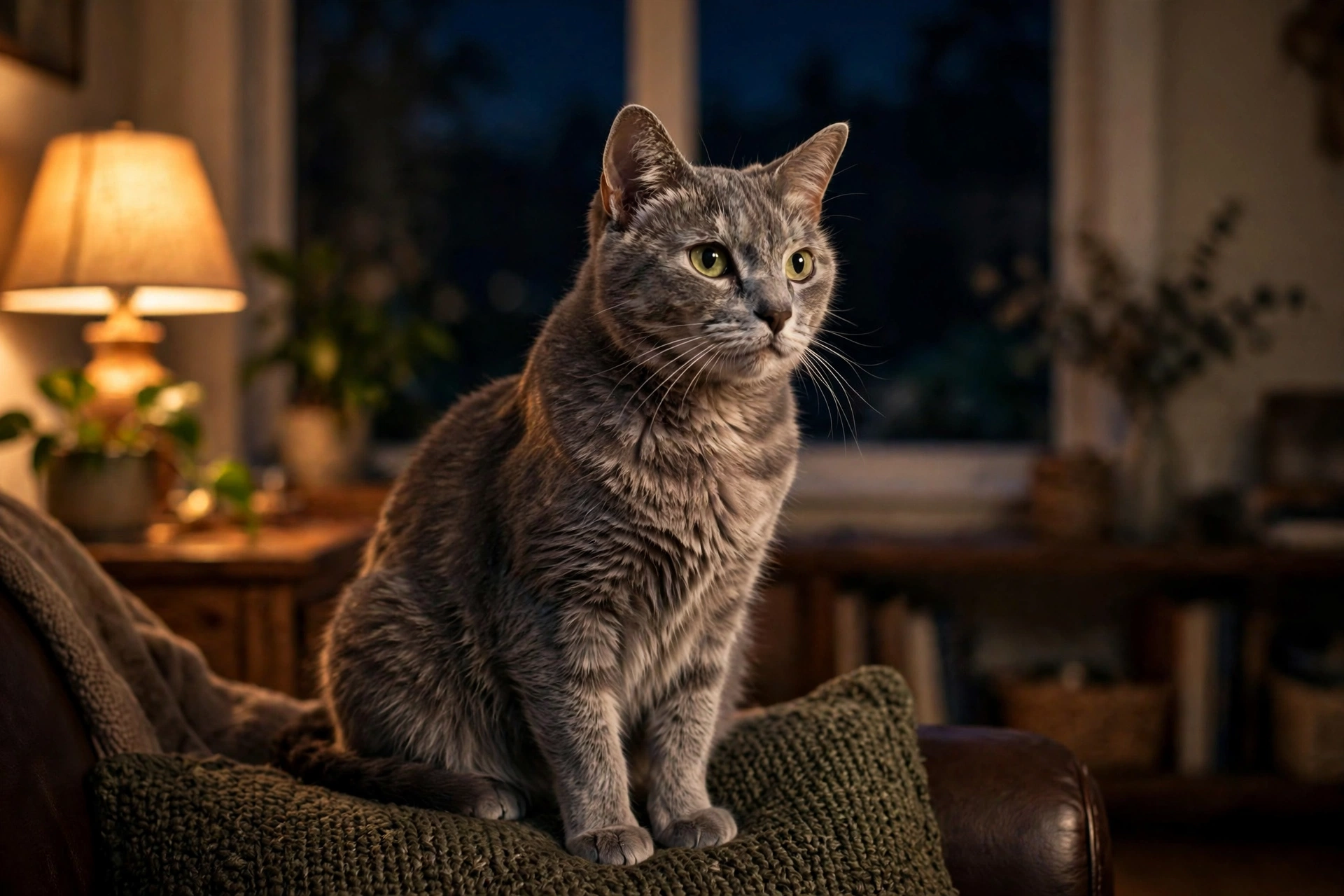
Short answer: In a senior cat, treat new nighttime yowling as medical until proven otherwise. Cats over roughly ten years old who suddenly start crying at night are most often dealing with a health problem — an overactive thyroid, high blood pressure, brain aging, pain, or hearing loss. Book a vet check before trying any behavioral fix.
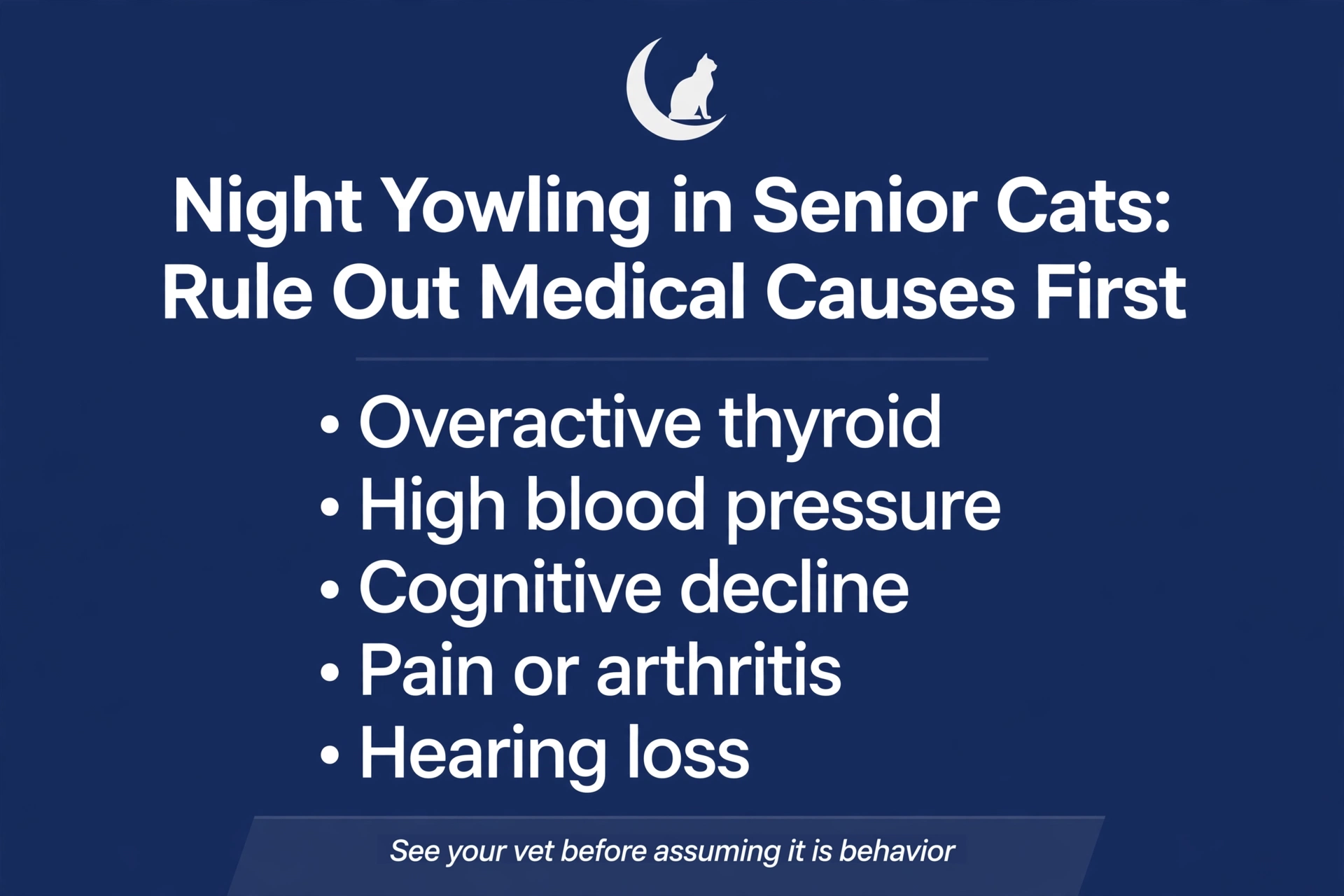
What medical problems cause night yowling in older cats?
Nighttime is when the house goes quiet, distractions vanish, and a confused or uncomfortable cat has nothing to do but vocalize. These are the causes vets rule out first:
- Hyperthyroidism (overactive thyroid). Extremely common in older cats. Clues: weight loss despite a big appetite, restlessness, a racing heart, and loud vocalizing, often at night.
- High blood pressure (hypertension). Often rides along with kidney disease or thyroid problems. VCA Hospitals notes it is common in older cats with those conditions — and it can damage the eyes fast. Sudden blindness is an emergency.
- Cognitive dysfunction (feline dementia). Disorientation, staring at walls, getting “lost” in familiar rooms, and a flipped sleep cycle — awake and crying at 3 a.m., asleep all day.
- Pain, especially arthritis. Yowling when jumping, using stairs, or settling down to sleep. Arthritic cats often worsen at night after a day of stiffness setting in.
- Hearing loss. A cat going deaf cannot hear their own voice, so they get louder. They may also startle easily and sleep more deeply.
How will my vet work this up?
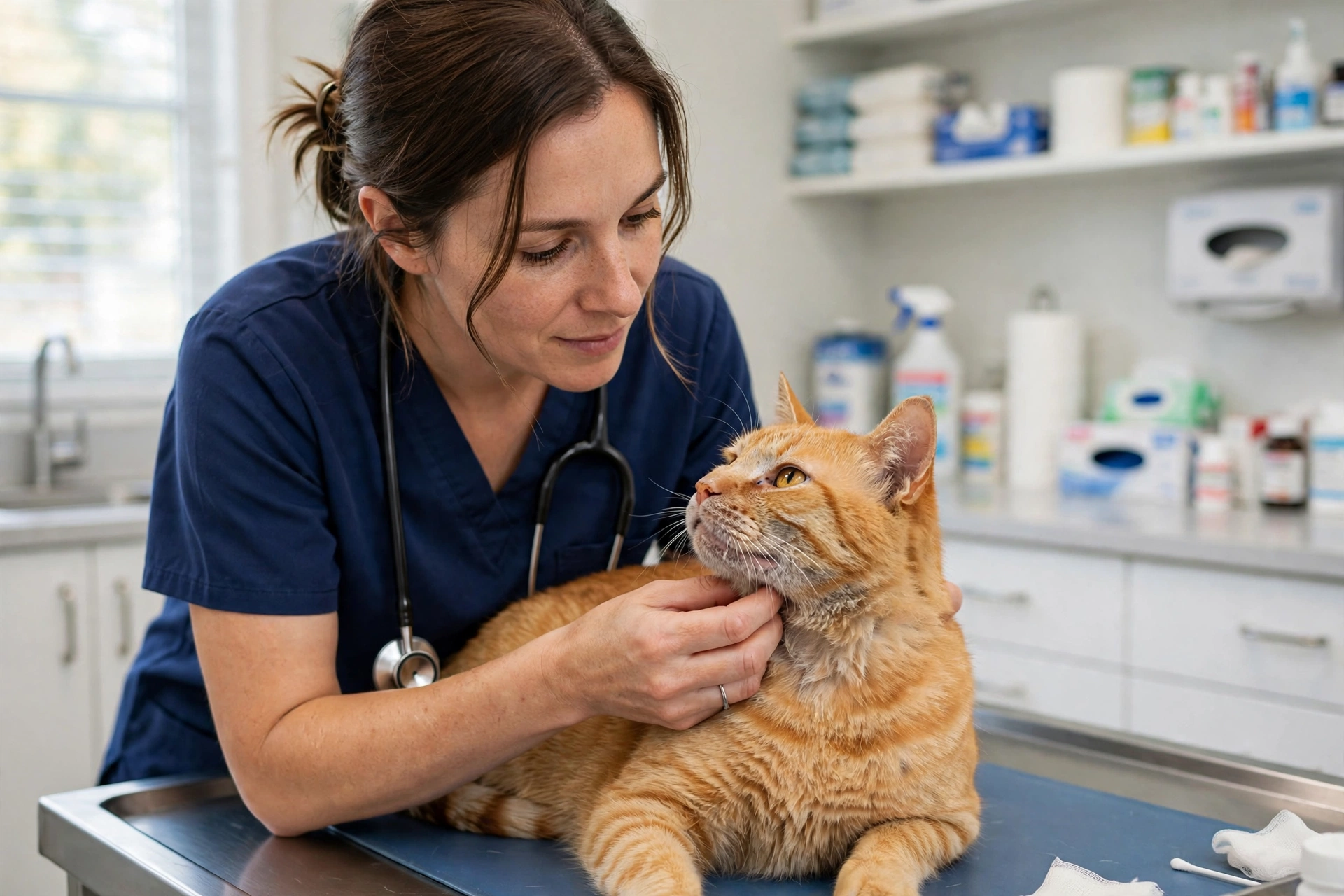
A senior cat with new vocalizing usually gets a focused workup. Knowing what is coming reduces the stress of the visit:
| Test | What it checks |
|---|---|
| Blood pressure measurement | Hypertension — quick and noninvasive |
| Bloodwork including thyroid (T4) | Hyperthyroidism, kidney values, other organ function |
| Physical and neurologic exam | Pain, vision, reflexes, cognitive clues |
| Urinalysis | Kidney and bladder health |
What can I do at home tonight?
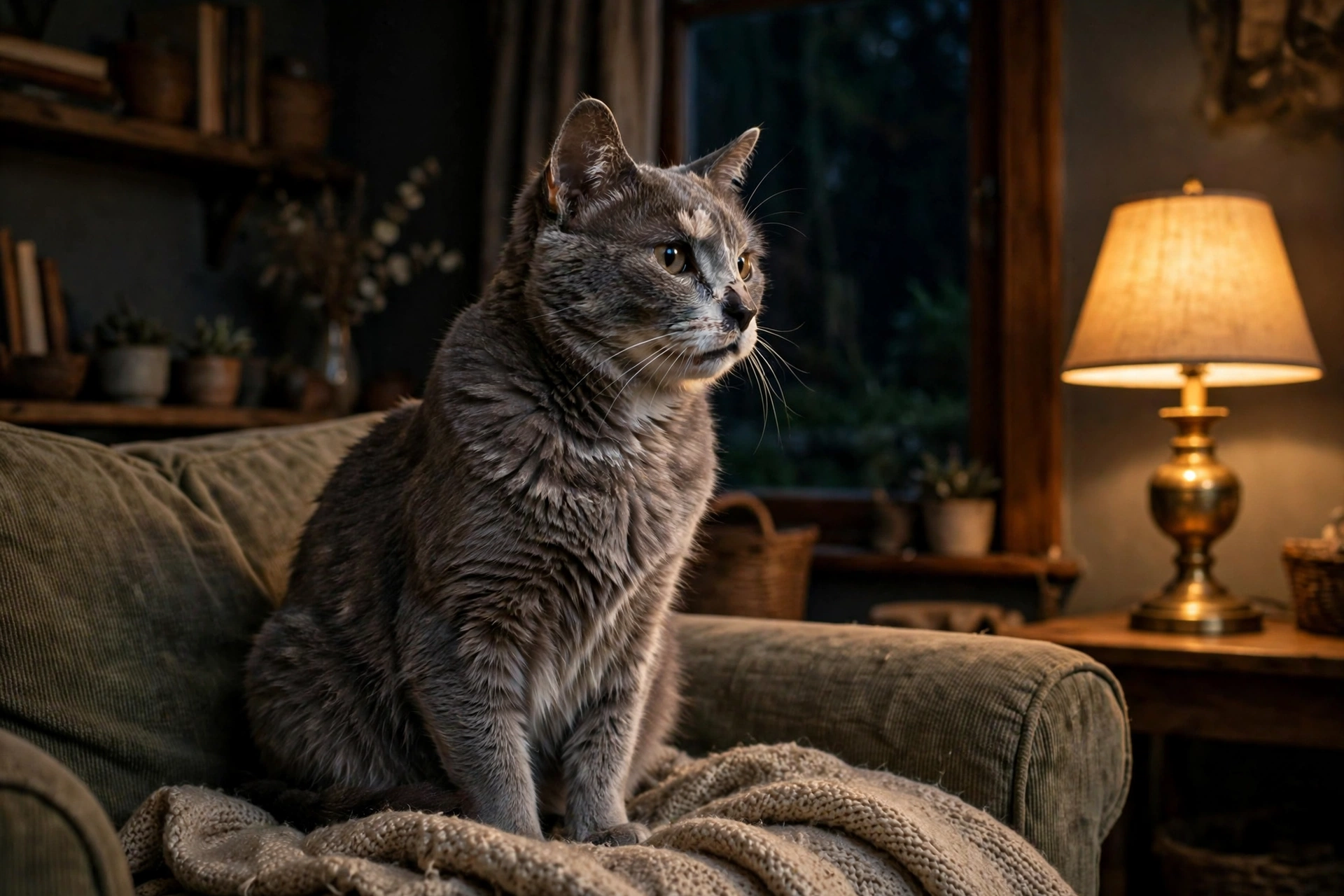
- Add a nightlight. Cheap, and it genuinely helps disoriented seniors navigate.
- Put a warm, comfortable bed on the ground floor. Arthritic cats struggle with stairs and high jumps at night.
- Keep the routine predictable. Same feeding times, same bedtime cues. Predictability calms confused cats.
- Do not punish the yowling. Scolding or spraying water increases stress and never treats the cause.
- Keep a log for the vet: what times, any triggers, appetite and water intake changes, litter-box habits. Patterns diagnose.
When is night yowling an emergency?
Most cases can wait for a prompt regular appointment — days, not weeks. Go urgently if you see:
- sudden blindness or bumping into furniture (possible hypertension crisis),
- yowling combined with breathing trouble, collapse, or signs of extreme pain,
- a cat that was fine yesterday and is dramatically worse today.
Unsure whether it can wait? See when to take a cat to the emergency vet. And if your senior has also started withdrawing, read why a cat hides all of a sudden — the two signs often travel together.
Frequently asked questions
Will the yowling stop once my cat is treated?
Often it improves a lot. Thyroid treatment or blood pressure control, for example, frequently quiets nighttime crying within weeks.
Is it just dementia?
Cognitive decline is possible in very old cats, but it is a diagnosis of exclusion — medical causes get ruled out first, because they are treatable.
Should I comfort my cat back to sleep?
Gentle comfort is fine and kind. Just do not let comforting replace the vet visit.
My cat is fifteen and otherwise healthy — is some yowling just aging?
Aging does change sleep patterns, but new, loud, persistent yowling still deserves a check. “Old age” is not itself a diagnosis.
Can I give my cat anything to help them sleep?
Do not use human sleep aids or sedatives on your own — many are dangerous for cats. Ask your vet about safe options after the workup.
Veterinary Review & Editorial Standard
This clinical guide was prepared using peer-reviewed veterinary literature and guidelines from leading veterinary associations. If your pet exhibits acute symptoms or distress, please seek immediate in-person veterinary emergency care.